Porcelain Bowl vs Bone China Bowl: A Comprehensive Comparison on Health & Safety
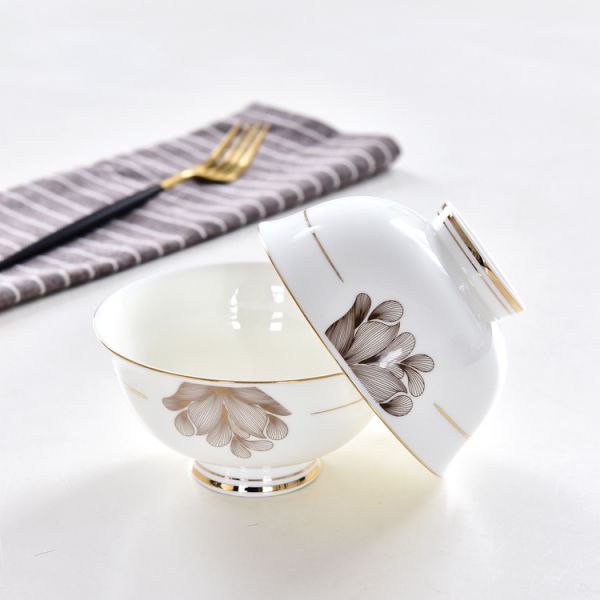
When selecting tableware, the choice between porcelain and bone china is a common consideration, especially for consumers and businesses focused on quality, aesthetics, and safety. Both are excellent materials for bowls, but they have distinct characteristics. This guide provides a detailed comparison between porcelain bowls and bone china bowls, with a particular focus on their health and safety aspects, to help you make an informed decision for your home or business.
1. Material Composition: The Core Difference
The fundamental difference lies in their raw materials.
- Porcelain Bowls: Primarily made from a mixture of fine white clay (kaolin), quartz, and feldspar. It is fired at very high temperatures (around 1200-1400°C), resulting in a hard, non-porous, and translucent white body. The high firing temperature vitrifies the clay, making it impermeable to water.
- Bone China Bowls: A premium type of porcelain distinguished by the addition of bone ash (calcium phosphate), typically from cattle bones, to the clay mixture. The bone ash content usually ranges from 30% to 50%. This unique ingredient gives bone china its characteristic high whiteness, delicate translucency, and remarkable strength relative to its thinness.
2. Manufacturing Process & Physical Properties
The production process further defines their physical attributes.
- Porcelain: Known for its density and durability. It is less porous than earthenware or stoneware, making it chip-resistant and hygienic. Its high firing temperature ensures a highly durable finished product.
- Bone China: Fired at a slightly lower temperature than pure porcelain. The bone ash acts as a flux, allowing the material to become vitrified and translucent at these temperatures. It is renowned for its exceptional strength and chip resistance despite its delicate appearance. Its structure is less brittle than standard porcelain.
3. Key Comparison: Functionality in Use
Understanding their performance helps match the bowl to its intended use.
| Feature | Porcelain Bowls | Bone China Bowls |
| Thermal Insulation | Good insulator. Walls can feel slightly thicker, keeping food warm but the exterior may not get as hot. | Excellent insulator. The dense structure retains heat very well, often keeping contents hotter for longer. |
| Durability | Very durable and chip-resistant. Ideal for daily use. | Surprisingly more durable and chip-resistant than porcelain due to the bone ash, despite feeling lighter. |
| Weight & Feel | Feels substantial, solid, and sturdy. | Lighter, thinner, and has a distinctive, delicate, and slightly warm “ring” when tapped. |
| Translucency | Opaque to slightly translucent. | Highly translucent, especially when held up to light. |
4. Health and Safety Analysis: A Critical Consideration
Both materials are considered safe for food contact when produced to high standards. The key safety factors are the glaze and decoration.
- Inherent Material Safety:
- High-quality porcelain and bone china are inert, non-porous, and do not react with food acids. This prevents bacterial absorption and makes them hygienic.
- The primary safety concern is not the body itself, but the glazes and pigments used for decoration. Low-quality products may use glazes containing lead or cadmium, which can leach into food, especially acidic foods.
- Safety Standards & What to Look For:
- Look for Certifications: Reputable manufacturers, like those producing for international markets, ensure their products comply with strict safety standards (e.g., FDA standards in the USA, LFGB in Europe). These regulate allowable limits for lead and cadmium release.
- Decoration Type Matters:
- Underglaze Decoration: Colors are applied to the unfired body and then sealed under a clear glaze. This is the safest option as the decorative layer is completely protected from food and wear.
- Overglaze/On-glaze Decoration: Applied on top of the fired glaze and re-fired at a lower temperature. It is more susceptible to wear and, if not properly regulated, can be a source of metal leaching. Always verify the safety compliance of overglaze products.
- Durability Equals Safety: A chipped or cracked bowl can harbor bacteria in the crevices. Both materials are durable, but bone china’s superior chip resistance can mean a longer, safer service life.
5. Which is the Better Choice for You?
The “better” bowl depends entirely on your priorities.
- Choose Porcelain Bowls if: You prioritize classic durability, a substantial feel, and excellent value for money. They are perfect for everyday family use, casual dining, and restaurants seeking robust, high-quality ware.
- Choose Bone China Bowls if: You seek the ultimate in elegance, lightness, and strength. Their superior whiteness, translucency, and chip resistance make them ideal for fine dining, hotels, giftware, and consumers who appreciate premium tableware. Their excellent heat retention is also a bonus for serving hot soups and dishes.
6. Key Buying Tips for Health & Safety
Regardless of your choice, follow these guidelines to ensure safety:
- Source from Reputable Suppliers: Purchase from established manufacturers or brands (like those found in the Porcelainand Bone Chinasections of our website) that adhere to international safety standards.
- Inquire about Safety Compliance: Ask for documentation confirming the product is lead-free and cadmium-free and meets FDA/LFGB standards.
- Prefer Underglaze Decoration: For the highest safety assurance, especially for items used daily, choose bowls with underglaze patterns.
- Inspect Upon Receipt: Check for smooth, uncracked glazes and intact rims. Discard or replace any item with cracks or glaze chips.
- Follow Care Instructions: Use mild detergents and avoid extreme temperature shocks (e.g., transferring from freezer to hot oven) to prevent crazing (tiny cracks in the glaze), which can compromise safety.
Conclusion
Both porcelain and bone china bowls are excellent, safe choices for your table when sourced from responsible manufacturers. Porcelain offers robust, everyday practicality, while bone china provides unmatched elegance and resilient lightness. From a health perspective, the critical factor is not the core material but the quality of the glaze and decoration. By prioritizing products that are certified lead-free and cadmium-free, and by understanding the difference between underglaze and overglaze decoration, you can confidently choose beautiful tableware that is as safe as it is stylish for every meal.