Choosing Tangshan Porcelain Dinnerware: 5 Key Aspects to Evaluate
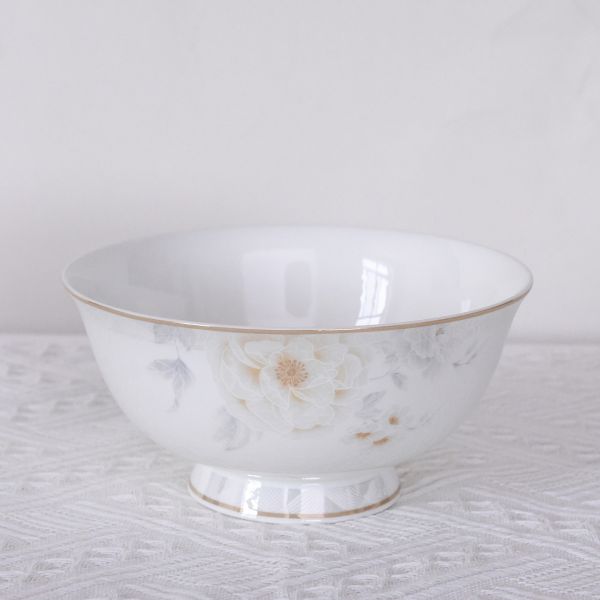
Tangshan, known as the “Porcelain Capital of Northern China,” has been producing ceramic tableware for over a century. Its dinnerware is prized for its quality, craftsmanship, and affordability. However, not all Tangshan porcelain is created equal. Whether you are sourcing for your home, a retail business, or a hospitality project, evaluating the right aspects ensures you get the best value for your investment.
At Classic Bone China, we understand the importance of informed purchasing decisions. Here are five key aspects to evaluate when choosing Tangshan porcelain dinnerware.
1. Manufacturer Reputation & Certifications
The reputation of the manufacturer is your first indicator of quality. Tangshan is home to many producers, ranging from small workshops to large, export‑oriented factories.
What to look for:
• Years in business – Established manufacturers with decades of experience tend to have more consistent quality control.
• Export experience – Factories that supply international markets typically meet stricter standards.
• Certifications – Look for FDA (USA), CE (Europe), LFGB (Germany), or ISO 9001 marks. These indicate compliance with global safety and quality norms.
• Client references – Ask for examples of previous orders, especially from hotels or brands similar to your business.
Why it matters: A reputable manufacturer stands behind its products and is more likely to honor warranties and provide reliable after‑sales support.
2. Material Composition & Firing Quality
Not all “ceramic” dinnerware is true porcelain. Understanding the material helps you assess durability and suitability.
Key distinctions:
• True porcelain – Fired above 1,200°C, resulting in a dense, vitrified, non‑porous body. It is strong, chip‑resistant, and safe for food contact.
• Bone china – Contains bone ash for extra whiteness and translucency. Thinner yet surprisingly strong.
• Stoneware or earthenware – Fired at lower temperatures. More porous, heavier, and more prone to chipping. Not ideal for high‑frequency commercial use.
Evaluation tip: Tap a plate gently with your fingernail. A clear, bell‑like ring indicates high‑fired porcelain. A dull thud suggests lower firing quality.
3. Design, Style & Finish
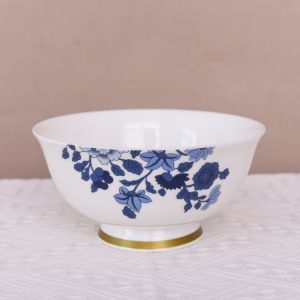
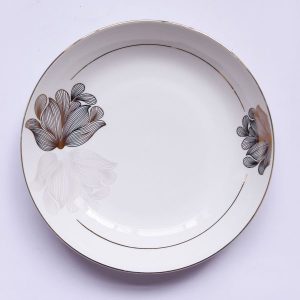
Tangshan porcelain offers a wide spectrum of designs—from classic white hotelware to intricately hand‑painted patterns. Your choice should align with your brand identity or personal taste.
Consider:
• Glaze quality – The surface should be smooth, glossy, and free of pinholes, bubbles, or uneven patches.
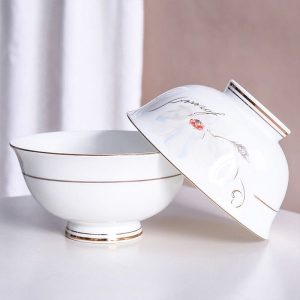
• Edge treatment – Rolled or reinforced rims improve chip resistance, especially for commercial use.
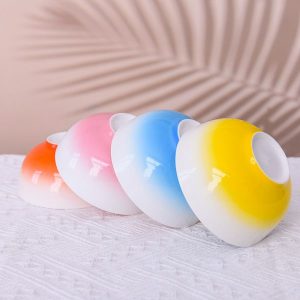
• Color consistency – If ordering multiple pieces or sets, ensure uniform color across the entire batch.
• Decoration durability – Hand‑painted or decal designs should be fired into the glaze, not merely painted on top, to prevent peeling.
Pro tip: Request a sample before committing to a large order. This allows you to evaluate the actual look, feel, and finish.
4. Physical Specifications & Usability
Practical considerations affect how well the dinnerware performs in daily use.
Evaluate:
• Weight & balance – Pick up a plate or bowl. Does it feel comfortable? Well‑balanced pieces are easier for servers and diners alike.
• Stackability – Plates should nest neatly without wobbling. This saves storage space and reduces breakage during handling.
• Size range – Ensure the assortment covers your menu needs: dinner plates, salad plates, bowls, cups, and serving platters.
• Microwave & dishwasher compatibility – Most Tangshan porcelain is suitable, but always confirm, especially for decorated or metallic‑trimmed pieces.
Why it matters: Poorly designed dimensions or awkward stacking increase operational friction in busy kitchens.
5. Price vs. Long‑Term Value
Price is always a factor, but the cheapest option is rarely the most economical in the long run.
How to evaluate value:
• Per‑unit cost – Compare prices across multiple suppliers for the same specification.
• Breakage rate – Ask the manufacturer for expected breakage percentages. Lower‑quality porcelain may chip or crack sooner, requiring frequent replacements.
• Warranty & replacement policy – Does the supplier offer spare parts or discounted refills for future orders?
• Shipping & duties – Factor in logistics costs, especially for international buyers.
Smart strategy: Invest more in high‑use items (dinner plates, bowls) and consider more economical options for low‑use pieces (serving platters, accent dishes).
Summary Checklist for Evaluating Tangshan Porcelain
| Aspect | What to Check |
| Manufacturer reputation | Years in business, certifications, client references |
| Material quality | Porcelain vs. bone china vs. stoneware; firing temperature |
| Design & finish | Glaze smoothness, edge reinforcement, color consistency |
| Physical specs | Weight, balance, stackability, size range |
| Price & value | Per‑unit cost, breakage rate, warranty, shipping |
Final Thoughts from Classic Bone China
Tangshan porcelain dinnerware offers an excellent balance of quality, craftsmanship, and affordability—when you know what to look for. By evaluating manufacturer reputation, material quality, design, usability, and long‑term value, you can make a confident choice that serves you well for years.
At Classic Bone China, every piece is crafted through rigorous and complex production processes, fired at high temperatures, and certified lead‑free and food‑safe. We are always here for your inquiries—whether you need a single set or a custom bulk order for your business.
Provide your ideas, and we will make them happen.
From here, embark on an extraordinary journey to explore the exquisite beauty of bone china.