Pros & Cons of Daily Porcelain Tableware: What to Consider
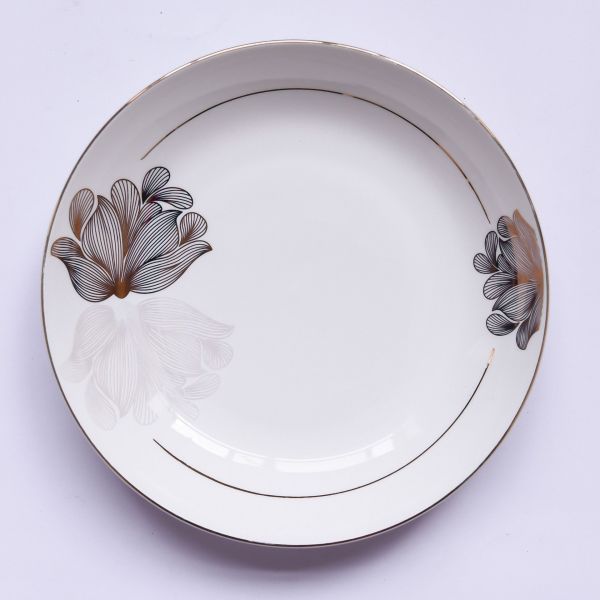
Porcelain tableware has been a staple in homes around the world for centuries. Its timeless beauty, practical performance, and natural composition make it a popular choice for daily dining. But like any material, porcelain comes with both strengths and limitations. Understanding these pros and cons will help you decide whether it is the right fit for your lifestyle.
At Classic Bone China, we craft every piece through rigorous and complex production processes, firing at high temperatures to ensure exceptional quality. Here is an honest look at what to consider when choosing daily porcelain tableware.
Advantages of Porcelain Tableware
✅ Food Safety
Porcelain is made from natural, inert materials—kaolin, quartz, and feldspar—that do not leach harmful chemicals into food. High‑quality porcelain, including all Classic Bone China products, is certified lead‑free and food‑safe, meeting FDA and CE standards. You can serve everything from hot soups to acidic salads with complete peace of mind.
✅ Excellent Heat Retention
Porcelain absorbs and retains heat effectively. Your soup stays warmer longer, and your coffee remains hot through a leisurely breakfast. This thermal property enhances the dining experience, especially for slow meals and gatherings.
✅ Durability & Strength
Well‑fired porcelain is remarkably strong. Its vitrified body resists chipping, scratching, and cracking under normal use. Unlike earthenware or stoneware, high‑quality porcelain can withstand daily wear for decades when handled with reasonable care.
✅ Beautiful Appearance & Texture
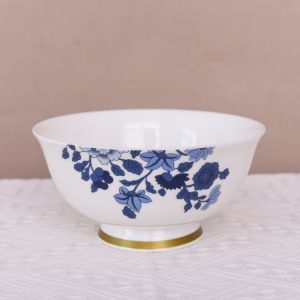
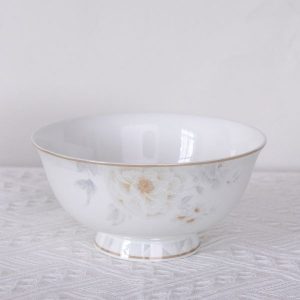
Porcelain offers a smooth, glossy surface that feels luxurious to the touch. Its pure white or ivory base provides an elegant canvas for food presentation. Whether you prefer minimalist modern or hand‑painted traditional designs, porcelain elevates any table setting.
✅ Easy to Clean
The non‑porous glaze prevents food and bacteria from penetrating the surface. Most stains rinse off easily, and the majority of porcelain dinnerware is dishwasher‑safe. A quick wash with mild detergent restores its original shine.
✅ Versatility
Porcelain is suitable for virtually all types of food—hot, cold, liquid, or solid. Many pieces are microwave‑safe and oven‑safe (up to certain temperatures), allowing you to cook, reheat, and serve in the same dish. This versatility reduces the number of separate cookware items you need.
✅ Eco‑Friendly
Porcelain is made from natural clay and minerals, and it is fully recyclable or biodegradable at end of life. Choosing durable porcelain reduces reliance on disposable plastic or paper tableware, contributing to less waste. A single porcelain plate can replace hundreds of single‑use alternatives over its lifetime.
Disadvantages of Porcelain Tableware
❌ Fragility
Despite its strength, porcelain is brittle. A sharp impact—dropping onto a tile floor or banging against a hard surface—can cause chips or cracks. This is especially true for thin‑walled or delicately shaped pieces. Careful handling is essential.
Mitigation: Choose slightly thicker profiles for daily use. Store pieces with protective padding and avoid stacking without liners.
❌ Weight
Porcelain is heavier than melamine, plastic, or even some stoneware. This can be a consideration for households with young children, elderly family members, or anyone with limited hand strength. Large serving platters and dinner plates require two hands to carry safely.
Mitigation: Select lighter‑weight porcelain or bone china (which is thinner yet strong) if weight is a concern.
❌ Sensitivity to Temperature Extremes
While porcelain handles gradual heat well, sudden temperature changes can cause thermal shock and cracking. Placing a cold plate directly into a hot oven, or pouring boiling water into a chilled mug, invites breakage.
Mitigation: Always allow tableware to come to room temperature before heating or cooling. Avoid drastic transitions.
❌ Not All Pieces Are Microwave‑Safe
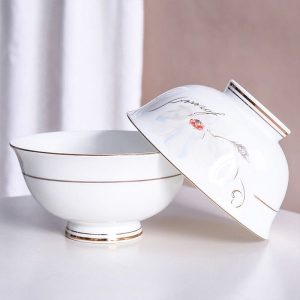
Some porcelain, especially pieces with metallic trims (gold, platinum, silver) or certain decorative glazes, cannot be used in the microwave. The metal can spark and damage both the dish and the appliance.
Mitigation: Check for microwave‑safe labeling. Reserve metallic‑accented pieces for serving only, not reheating.
❌ Potential Color Fading Over Time
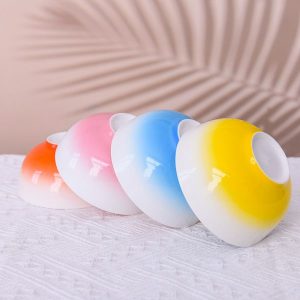
Brightly colored or hand‑painted porcelain may experience gradual fading after years of frequent use and dishwasher cycles. This is more common with lower‑quality pigments.
Mitigation: Choose high‑quality brands like Classic Bone China that use stable, food‑safe pigments. Hand‑wash decorated pieces to preserve their vibrancy.
Making the Right Choice for Your Home
| Consideration | Porcelain Suitability |
| Daily family meals | ✔ Excellent |
| Formal entertaining | ✔ Superior |
| Household with children | ⚠ Moderate (choose durable shapes) |
| Microwave/reheating | ✔ If labeled safe |
| Oven cooking | ✔ If labeled oven‑safe |
| Lightweight preference | ✘ Heavier than alternatives |
| Budget‑conscious | ⚠ Wide price range available |
Final Thoughts from Classic Bone China
Porcelain tableware offers a compelling balance of beauty, safety, durability, and environmental friendliness. Its few drawbacks—fragility, weight, and temperature sensitivity—can be managed with mindful habits. For most households, the advantages far outweigh the disadvantages.
At Classic Bone China, every piece is crafted through rigorous and complex production processes, fired at high temperatures, and certified lead‑free and food‑safe. We are always here for your inquiries—whether you are selecting a single set or designing a custom collection for your business.
Provide your ideas, and we will make them happen.
From here, embark on an extraordinary journey to explore the exquisite beauty of bone china.