Can Porcelain Bowls Go in the Microwave? The Authoritative Answer & Safety Guide
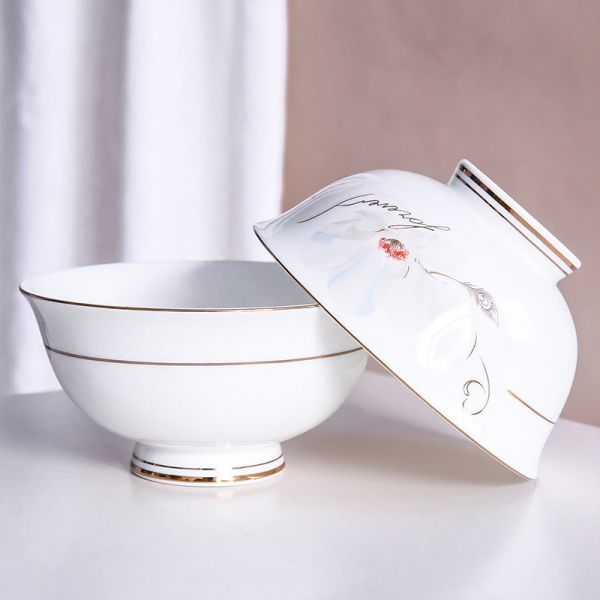
Microwaves are a kitchen essential for quick reheating, but not all dishes are created equal. A common and important question is: can your porcelain bowls safely go in the microwave? The short answer is yes, most high-quality, undecorated porcelain bowls are perfectly microwave safe. However, safety depends on specific material properties and manufacturing details. This comprehensive guide provides the authoritative information you need to use your porcelain tableware safely and confidently, ensuring both the longevity of your bowls and the safety of your food.
1. The Core Principle: Why Most Porcelain is Microwave Safe
Porcelain is made from fine clay, fired at extremely high temperatures (over 1200°C). This process, known as vitrification, creates a non-porous, glass-like surface that does not absorb water or microwaves. Microwaves pass through this dense material to heat the food inside, not the bowl itself. This makes plain, high-fired porcelain inherently suitable for microwave use. The key determinant of safety is not the porcelain body itself, but the glaze and any decorations applied to it.
2. The 4-Point Safety Check Before You Microwave
Never assume a bowl is microwave-safe. Always perform these checks:
1. Look for the Official Label
The simplest check is to look at the bottom of the bowl. A clear “Microwave Safe” symbol (typically wavy lines) is your best guarantee. This means the manufacturer has tested the product for this purpose. The absence of a label requires further investigation.
2. Inspect for Metal Components or Decorations
Metal and microwaves are a dangerous combination, causing sparks (arcing), fire hazards, and damage to the oven. Scrutinize the bowl for:
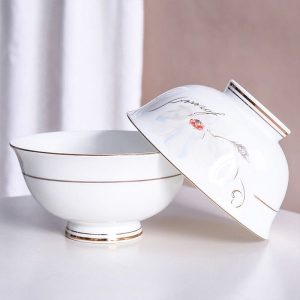
- Metallic Bands, Rims, or Handles: Common in some decorative or gilt tableware.
- Paint with Metallic Sheen: Gold, platinum, or silver-colored decorative accents.
- Glazes Containing Metal Oxides: Some colored glazes may contain metals that react. If in doubt, avoid microwaving highly decorated pieces.
3. Examine for Physical Damage: The Crazing and Cracking Test
Even a “microwave safe” bowl can become unsafe if damaged. Carefully inspect for:
- Cracks or Chips: Visible damage creates weak points where thermal stress can cause sudden breakage.
- Crazing: A network of fine, hairline cracks in the glaze. This is not just cosmetic. Food, moisture, and bacteria can seep into these cracks, creating unsanitary conditions. In the microwave, trapped moisture can heat and expand, potentially worsening the damage.
4. Avoid Extreme Thermal Shock
Porcelain is durable but can crack from sudden, drastic temperature changes—a phenomenon called thermal shock.
- Do Not transfer a bowl directly from the freezer to a microwave or from a hot oven to a cold countertop.
- Allow frozen foods to thaw slightly in the refrigerator first, and let microwaved bowls cool gradually before washing in cold water.
3. Microwave Use Best Practices for Porcelain Bowls
Once you’ve confirmed a bowl is safe, follow these guidelines for optimal results:
- Use Moderate Power: Reheat on medium power (50-70%) for a longer duration rather than on full power. This promotes even heating and minimizes drastic temperature gradients within the bowl.
- Cover Food Loosely: Use a porcelain plate, microwave-safe lid, or paper towel to cover the bowl. This traps steam, heats food more evenly, and prevents splatters.
- Handle with Care: After microwaving, the bowl itself may be hot from the heat of the food. Always use oven mitts or a dry cloth to remove it.
- Supervise the Process: Especially when first using a bowl or reheating for an extended time, it’s wise to keep an eye on the microwave.
4. Special Considerations: Bone China, Decorations, and Safety Standards
- Bone China: High-quality bone china shares the vitrified, non-porous quality of porcelain and is generally microwave safe, provided it has no metallic decorations. The same safety checks apply.
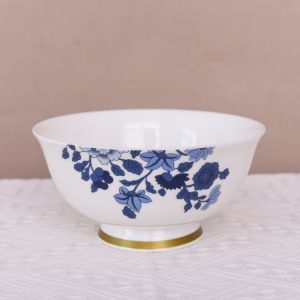
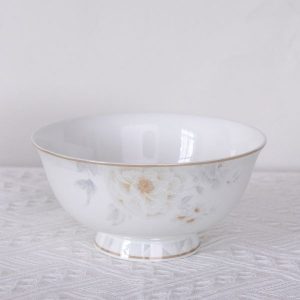
- The Decoration Dilemma: As a rule of thumb, the plainer the bowl, the safer it is. Underglaze decorations (colors applied before the final glaze firing) are sealed under the glassy surface and are typically safe. Overglaze decorations (applied on top and fired at a lower temperature) are more vulnerable and may contain elements unsuitable for microwaves.
- Lead and Cadmium Safety: Reputable manufacturers ensure their glazes and decorations comply with strict international safety standards (like LFGB in Europe or FDA in the USA) for lead and cadmium release. Microwaving a bowl with non-compliant glaze can increase the risk of metal leaching into food. Always purchase from trusted suppliers.
5. What to Use Instead: When in Doubt
If a porcelain bowl fails any of the safety checks, do not use it in the microwave. Opt for alternatives that are clearly labeled as microwave-safe, such as:
- Tempered Glass (like Pyrex)
- Microwave-Safe Plastic (look for the symbol)
- Silicone Containers
Conclusion
In summary, the suitability of a porcelain bowl for the microwave hinges on its condition, composition, and craftsmanship. A simple, high-quality porcelain bowl without metallic decorations, crazing, or cracks is typically a safe and efficient choice for microwave heating. The cornerstone of safety is always checking for the manufacturer’s “Microwave Safe” label and inspecting for damage before each use. By understanding these principles and following the guidelines above, you can enjoy the beauty and functionality of your porcelain tableware with complete peace of mind. For guaranteed performance, consider investing in porcelain tableware specifically designed and tested for modern kitchen use, including microwave safety.