How to Choose a Ceramic Coffee Cup: Material, Craft, Occasion & Brand Insights
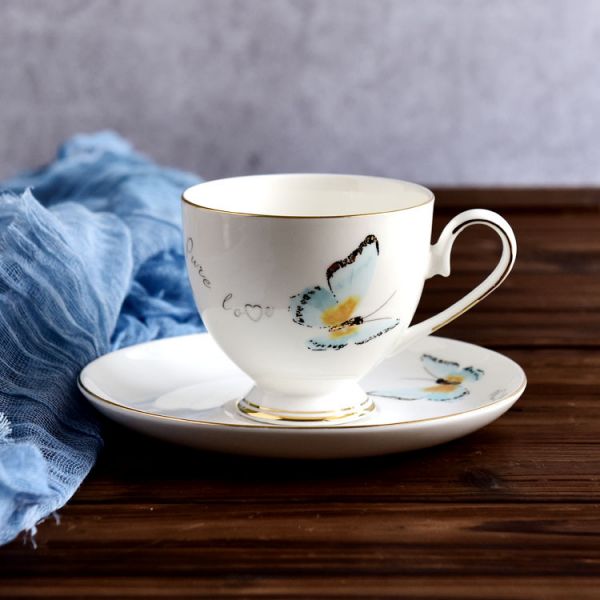
The perfect cup of coffee deserves an equally perfect vessel. More than just a container, a ceramic coffee cup is an extension of the experience—it influences temperature retention, aroma, and the very feel of your morning ritual. For businesses in hospitality, retail, or sourcing, selecting the right coffee cup is a critical decision that impacts customer satisfaction, brand perception, and operational efficiency. This definitive guide moves beyond basic aesthetics, providing deep insights into material science, craftsmanship, application-specific selection, and strategic sourcing to help you make an expert choice.
1. Material Science: The Foundation of Performance and Feel
The choice of ceramic body dictates durability, weight, insulation, and overall quality. Understanding the hierarchy is essential.
| Material | Key Characteristics | Best For |
| Earthenware | Porous, relatively soft, and fired at lower temperatures. Often has a thicker, more rustic build. Requires a glaze to be waterproof. | Casual, cost-effective options. Less ideal for premium coffee service due to lower durability and heat retention. |
| Stoneware | Denser, stronger, and fired at higher temperatures than earthenware. Non-porous when properly glazed. Has a substantial, hearty feel. | Boutique cafes, rustic-themed establishments, and homes seeking durable, artisanal appeal. Excellent for daily use. |
| Porcelain | Made from refined kaolin clay and fired at very high temperatures (>1200°C/2192°F). It is vitrified: non-porous, strong, chip-resistant, and bright white. The industry standard for quality. | Professional hospitality (hotels, restaurants), premium retail, and discerning home users. Offers the ideal balance of elegance, durability, and performance. |
| Bone China | A premium porcelain with 30-50% bone ash. It is the strongest, most translucent, and lightest ceramic. Remarkably chip-resistant and feels exceptionally refined. | Ultra-luxury settings, high-end gifts, and fine dining. Communicates the highest level of sophistication and quality. |
Material Insight: For businesses, porcelain is the most reliable and versatile workhorse. For a top-tier offering, bone china provides an unmatched competitive edge in perceived value.
2. Craft, Design & Functional Ergonomics
Superior craftsmanship elevates a simple cup into a functional tool.
- Forming & Craftsmanship:
- Slip Casting: Creates uniform, lightweight cups with thin walls. Efficient for large-scale production of consistent shapes.
- Jiggering & Jollying: Traditional methods that produce sturdy, perfectly symmetrical cups. Often indicates higher quality control.
- Hand-Throwing: Creates unique, artisanal pieces with slight variations. Ideal for boutique or artistic collections.
- Glaze & Safety: The glaze must be smooth, flawless, and food-safe. Insist on lead-free and cadmium-free glazes certified to FDA (USA) or LFGB (Europe) standards. A high-quality, vitrified glaze ensures easy cleaning and prevents flavor absorption.
- Handle Design: The handle is critical for user experience. It should allow for a secure, comfortable grip with 2-3 fingers. Ensure the handle is well-balanced, seamlessly attached (no rough seams), and proportionally sized to the cup’s capacity. Test the ergonomics before bulk ordering.
- Capacity & Shape:
- Espresso (60-90ml / 2-3 oz): Small, thick-walled to retain heat for a quick, intense drink.
- Cappuccino/Latte (180-300ml / 6-10 oz): The most common size. Wider brims allow for latte art and aroma release.
- Americano/Mug (300-450ml / 10-15 oz): For larger volumes. Often features a taller shape.
- Shape: A slightly tapered or curved rim directs coffee smoothly to the palate, enhancing flavor. Wide, shallow cups promote faster cooling; tall, narrow ones retain heat longer.
3. Selecting for the Occasion: From Home Use to Commercial Demand
The “best” cup varies dramatically by context.
| Use Case | Primary Considerations | Recommended Material & Features |
| Home & Personal Use | Personal taste, dishwasher/microwave safety, comfort, and aesthetic fit with kitchen décor. | High-quality porcelain or stoneware. Features: ergonomic handle, personal design preference, dishwasher safe. |
| Commercial Cafe / Coffee Shop | Extreme durability, stackability, heat retention, brand consistency, and cost-per-unit. | Commercial-grade porcelain. Features: thick rim for barista grip, standardized size for consistency, robust construction, and custom logo printing (underglaze is most durable). |
| Hotel & Fine Dining Restaurant | Luxury presentation, lightness, elegance, and quiet sophistication. Must complement fine tableware. | Bone China or fine porcelain. Features: exquisite thinness, translucency, and a refined shape that aligns with the dinnerware collection. |
| Corporate Gifts & Premium Retail | Unboxing experience, perceived value, unique design, and brand storytelling. Packaging is crucial. | Bone china or artist-designed porcelain. Features: distinctive pattern, elegant silhouette, and presentation in a high-quality gift box. |
4. Brand Insights & Strategic Sourcing
For B2B buyers, choosing the right manufacturer is as important as choosing the right cup.
- Prioritize Safety and Compliance: Always partner with suppliers who provide transparent safety certifications. Never compromise on verifiable FDA/LFGB compliance for lead and cadmium release.
- Assess Craftsmanship & Consistency: Request physical samples to evaluate weight, balance, glaze smoothness, and rim finish. Check for color uniformity across a batch. A reputable brand’s quality will be evident in these details.
- Explore Customization Capabilities: A true partner brand should offer robust customization—not just logo printing, but the ability to work on custom shapes, colors, and underglaze patterns. Discuss their minimum order quantities (MOQs) and sampling process.
- Consider Total Value, Not Just Unit Price: Evaluate durability (replacement cost), design appeal (ability to command higher prices), and the supplier’s reliability (on-time delivery, communication). The cheapest cup often proves most expensive in the long run.
Your Professional Purchasing Checklist
- [ ] Material Selected: Porcelain for durability; Bone China for peak luxury.
- [ ] Safety Confirmed: Supplier provides FDA/LFGB/Lead-Free certifications.
- [ ] Capacity & Shape Defined: Matched to your beverage menu (espresso, latte, etc.).
- [ ] Handle & Ergonomics Tested: Comfortable and secure via a physical sample.
- [ ] Use Case Aligned: Commercial-grade for cafes; luxury-grade for hotels/gifts.
- [ ] Customization Explored: Logo application method (underglaze preferred) and design options reviewed.
- [ ] Supplier Vetted: Samples received, MOQs and lead times confirmed, reputation checked.
Conclusion: The Final Pour
Choosing a ceramic coffee cup is a decision that blends sensory pleasure with practical business sense. For the individual, it’s about finding a personal companion for daily ritual. For the business, it’s a tangible touchpoint of brand quality.
By methodically evaluating Material (opting for vitrified porcelain or bone china), Craft (prioritizing food-safe glazes and ergonomic handles), and Occasion (selecting commercial durability or luxury appeal), you elevate a simple purchase into a strategic investment. Partner with brands that demonstrate expertise through compliance, craftsmanship, and customization. The result is more than a cup—it’s the perfect foundation for every coffee experience you serve or enjoy.