Glassware vs Porcelain Tableware: In-Depth Comparison of Pros, Cons & Best Uses

Selecting the right tableware is a critical decision for any home, restaurant, or hospitality business. Two of the most popular and enduring materials are glass and porcelain, each offering a distinct set of characteristics that cater to different needs and aesthetics. Whether you’re sourcing for a fine-dining establishment, a boutique hotel, or your own kitchen, understanding the fundamental differences between glassware and porcelain tableware is key to making an informed investment. This guide provides a detailed, side-by-side comparison of their pros, cons, and ideal applications to help you determine the best choice for your specific requirements.
1. Material Breakdown: Origins & Composition
Understanding what each material is made of explains its core properties.
- Glassware (Typically Borosilicate or Tempered Glass):
- Composition: Primarily made from silica sand, soda ash, and limestone, melted at extremely high temperatures. Borosilicate glass (e.g., classic Pyrex) includes boron trioxide, making it highly resistant to thermal shock. Tempered glass is treated for increased strength.
- Key Trait: An amorphous, non-crystalline solid. This structure allows for transparency and a non-porous surface.
- Porcelain Tableware:
- Composition: A refined ceramic made from kaolin (a pure white clay), quartz, and feldspar. It is fired at temperatures above 1200°C (2192°F), which vitrifies it, creating a dense, non-porous, and translucent body.
- Key Trait: A high-fired, vitrified ceramic known for its strength, whiteness, and durability. Bone China is a premium subtype incorporating bone ash for exceptional lightness and translucency.
2. In-Depth Comparison: Pros, Cons & Performance
This detailed comparison highlights how each material performs across critical categories for both daily use and commercial settings.
| Feature | Glassware | Porcelain Tableware |
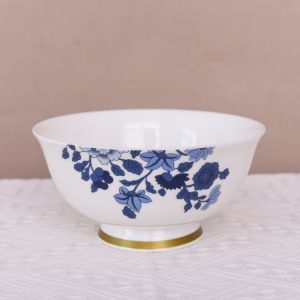
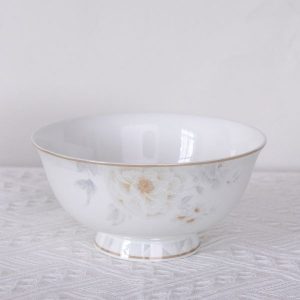
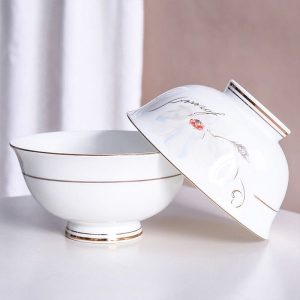
| Aesthetics & Presentation | Pro: Perfect transparency showcases food and layered drinks beautifully. Offers a modern, clean, and minimalist look. Con: Design options are limited to form and texture (frosted, colored tints). Cannot host detailed painted patterns. | Pro: Exceptional design versatility. Unlimited colors, patterns (hand-painted, decals), and shapes (classic to modern). Opacity provides a solid, elegant canvas for food. Con: Not transparent; hides the contents of the dish. |
| Durability & Strength | Pro: Highly resistant to scratches, stains, and odors. Non-porous surface won’t absorb food smells or colors. Con: More susceptible to chipping and breaking from impact or sudden drops. Thermal shock can crack inferior glass. | Pro: Very chip-resistant and strong due to high firing. Less likely to shatter from a fall. High-quality porcelain is highly durable for daily use. Con: The glaze can scratch over time with abrasive cleaners. Fine patterns may wear with intense dishwasher use. |
| Functionality | Pro: Excellent for oven, microwave, freezer, and dishwasher use (check manufacturer labels). Temperature transition is generally good for borosilicate. Con: Can feel heavier. Some basic glass may not be oven-safe. | Pro: Excellent heat retention, keeping food warmer longer. Generally microwave and dishwasher safe. High-fired porcelain is non-porous and food-safe. Con: Not ideal for stovetop use. Can become very hot to the touch. |
| Care & Maintenance | Pro: Extremely easy to clean, rarely stains. Does not retain odors (e.g., garlic, tomato sauce). Con: Shows water spots and fingerprints easily. Requires careful handling to avoid clinking and chipping. | Pro: Easy to clean, but glazed patterns are best preserved with gentle washing. Stacks neatly. Con: Can develop fine “crazing” (glaze cracks) over time if subjected to thermal shock, which can harbor bacteria. |
| Weight & Feel | Typically has a substantial, heavier feel. | Generally lighter and more refined to the touch, especially bone china. |
| Cost Consideration | Wide range. Simple tempered glass is affordable; high-design borosilicate can be premium. | Wide range. Quality porcelain is an investment. Bone china commands a higher price due to its material and craftsmanship. |
3. Best Uses: Choosing the Right Tool for the Occasion
Your specific application should guide your choice.
Choose GLASSWARE for:
- Modern & Casual Dining: Ideal for cafes, bistros, and homes seeking a contemporary, clean aesthetic.
- Food Presentation: Where visualizing layers, salads, desserts, or colorful dishes is key (e.g., parfaits, terrines).
- Versatile Oven-to-Table Service: Borosilicate dishes perfect for baking and serving casseroles, gratins, and desserts.
- Daily Drinkware: Glasses for water, juice, and casual beverages.
- Minimalist Style: Settings where the focus is purely on the food’s form and color.
Choose PORCELAIN TABLEWARE for:
- Fine Dining & Formal Settings: The standard for high-end restaurants, hotels, and catered events due to its elegance and quiet sophistication.
- Branding & Custom Design: The ideal canvas for logos, custom patterns, and cohesive brand imagery for businesses.
- Versatile Food Service: Excellent for all meal courses, from appetizers to main courses. Superior heat retention is ideal for hot soups and meals.
- Durability Needs: Busy households, restaurants, and facilities requiring tableware that can withstand frequent use, washing, and handling.
- Timeless & Artistic Tablescapes: Where the tableware itself is part of the decorative art, with patterns ranging from classic to modern.
4. Expert Buying Tips
- For Glassware: Look for borosilicate or tempered glass for heat resistance and durability. Ensure it is clearly labeled oven and dishwasher-safe. Check for reinforced rims for added strength.
- For Porcelain: Verify food safety certifications (FDA, LFGB) to ensure it is lead and cadmium-free. For patterns, underglaze decoration is more durable than overglaze. Consider stackability for storage.
- Mix and Match: Don’t feel constrained to one material. Many successful establishments use porcelain for main dinnerware (plates, bowls) and high-quality glass for side dishes, bakeware, or drinkware, leveraging the strengths of both.
Conclusion: A Matter of Purpose and Preference
There is no single “best” material—only the best material for your specific need.
Choose Glassware when your priority is modern transparency, versatile oven-to-table functionality, and easy maintenance, and you can manage with careful handling to mitigate its fragility.
Choose Porcelain Tableware when your priorities are elegant design versatility, formal presentation, custom branding, durable strength for daily use, and excellent heat retention.
By weighing the in-depth pros, cons, and best-use scenarios outlined above, you can move beyond personal preference to make a strategic, informed decision. Whether you select the crisp clarity of glass or the refined artistry of porcelain, the right choice will enhance every dining experience, support your operational needs, and deliver lasting value.