Why Do Porcelain Dinnerware Prices Vary? Key Factors Explained
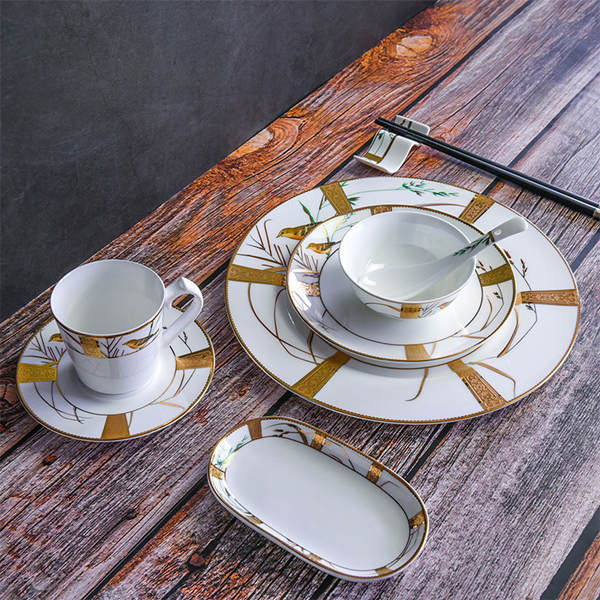
Walk into any home goods store or browse online marketplaces, and you will notice something striking: porcelain dinnerware sets can range from surprisingly affordable to breathtakingly expensive. A simple plate might cost ten dollars—or a thousand. Why such dramatic differences?
At Classic Bone China, we believe that understanding value begins with understanding cost. Here are the key factors that explain why porcelain dinnerware prices vary—so you can make informed choices that align with your budget and expectations.
1. Raw Materials: The Foundation of Quality
The journey of a porcelain piece begins with its ingredients. Not all clays are created equal.
- Premium materials – High‑grade kaolin, petuntse, and quartz are selected for their purity and firing properties. Bone china additionally incorporates 30–50% bone ash, which imparts that signature translucency and strength. These superior raw materials command higher prices.
- Standard materials – Some manufacturers use lower‑grade clays or mix in fillers to reduce costs. The resulting product may appear similar at first glance but lacks the whiteness, durability, and delicate feel of fine porcelain.
The lesson: You are paying for what goes into the clay. Better inputs mean better output—and a higher price tag.
2. Manufacturing Process: Craftsmanship Has a Cost
The way a piece is made profoundly influences its price.
- Intricate craftsmanship – Pieces that are hand‑thrown, hand‑painted, or meticulously carved require hours of skilled labor. Each artist’s touch adds uniqueness and value. Multiple firings, careful glazing, and detailed decoration all contribute to a higher cost.
- Mass production – Machine‑made dinnerware is faster and cheaper to produce. While it can be consistent and functional, it lacks the soul and refinement of artisan‑crafted pieces.
The lesson: You are paying for time, skill, and attention to detail. A beautifully decorated plate with layered colors and precise brushwork will always cost more than a plain, machine‑stamped alternative.
3. Firing Temperature & Technique
True porcelain is fired at extremely high temperatures—typically above 1,200°C (2,192°F). This vitrification process fuses the clay into a dense, non‑porous, glass‑like material.
- High‑fired porcelain – Requires more energy, longer kiln times, and precise temperature control. The result is a stronger, more durable, and more translucent product.
- Lower‑fired ceramics – Earthenware and some stonewares are fired at lower temperatures, saving energy costs but producing a softer, more porous body that may chip or stain more easily.
The lesson: High firing temperatures equal higher production costs—and a superior final product.
4. Decoration & Glaze Complexity
The visual appeal of porcelain dinnerware is often what catches your eye—and it also adds to the price.
- Simple glazes – A single, solid‑color glaze is the most economical option.
- Multi‑layer glazes – Achieving depth, texture, or color gradients requires multiple applications and firings.
- Hand‑painting – Each stroke is done by a skilled artisan. Intricate floral patterns, landscapes, or gold detailing can take days per piece.
- Decals & transfers – Less expensive than hand‑painting, but still add cost compared to undecorated ware.
- Metallic accents – Gold, platinum, or silver trims require precious metals and specialized application techniques.
The lesson: The more complex and labor‑intensive the decoration, the higher the price. A hand‑painted, gold‑rimmed dinner plate is a work of art—and priced accordingly.
5. Brand Heritage & Positioning
Established brands with decades or centuries of history have invested in reputation, quality control, and design innovation. Names like Classic Bone China represent a promise of excellence, backed by rigorous standards and customer trust.
- Heritage brands – Command premium prices because customers pay for assurance, consistency, and prestige.
- Generic or unbranded products – Often compete on price alone, with less emphasis on quality assurance or after‑sales support.
The lesson: You are not just buying a plate—you are buying a legacy, a guarantee, and an experience.
6. Market Dynamics: Supply & Demand
Like all economic goods, porcelain dinnerware prices fluctuate with market conditions.
- Raw material availability – Shortages of high‑quality kaolin or bone ash can drive up costs.
- Labor costs – Skilled ceramic artisans are increasingly rare, commanding higher wages.
- Energy prices – Kiln firing is energy‑intensive; rising fuel or electricity costs translate to higher product prices.
- Global trade factors – Tariffs, shipping costs, and currency exchange rates affect imported dinnerware.
The lesson: External economic forces play a role. A price increase does not always mean a better product—sometimes it simply reflects higher operating costs.
7. Manufacturer Positioning & Target Market
Finally, every manufacturer decides where to position itself in the market.
- Budget‑focused manufacturers – Optimize for low cost, using standard materials, simplified processes, and minimal decoration. Their target is price‑sensitive consumers.
- Premium manufacturers – Invest in the best materials, skilled artisans, and meticulous quality control. Their target is discerning customers who value beauty, durability, and heritage.
The lesson: A manufacturer’s market strategy directly determines the price you see. There is no single “right” price—only the right product for your needs and budget.
Summary: What You Are Really Paying For
| Factor | Impact on Price |
| Raw material quality | Higher purity = higher cost |
| Manufacturing process | Handcrafted > machine‑made |
| Firing temperature | Higher temp = stronger, pricier |
| Decoration complexity | More detail = more expense |
| Brand reputation | Established names command premiums |
| Market conditions | External factors affect pricing |
| Manufacturer positioning | Budget vs. premium strategy |
Final Thoughts from Classic Bone China
Porcelain dinnerware is an investment—in your home, your daily rituals, and the moments you share with loved ones. Understanding why prices vary empowers you to choose wisely, balancing beauty, durability, and budget.
Provide your ideas, and we will make them happen. Whether you are selecting a single piece or outfitting an entire table, we are always here for your inquiries.
From here, embark on an extraordinary journey to explore the exquisite beauty of bone china.