Pros and Cons of Porcelain Dinnerware: An Honest Review
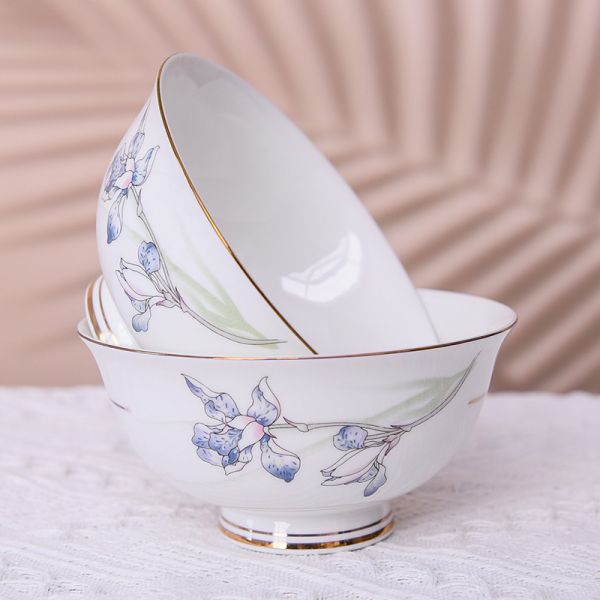
Porcelain dinnerware has graced tables for centuries, representing a standard of elegance and functionality. However, like any material, it comes with a distinct set of advantages and limitations. For consumers, retailers, and hospitality professionals making an informed investment, a balanced understanding is crucial. This honest review provides a clear-eyed look at the key benefits and drawbacks of porcelain dinnerware, empowering you to decide if it’s the right choice for your home or business.
The Advantages of Porcelain Dinnerware: Why It’s a Classic
High-quality porcelain offers a combination of benefits that are difficult to match, justifying its enduring popularity.
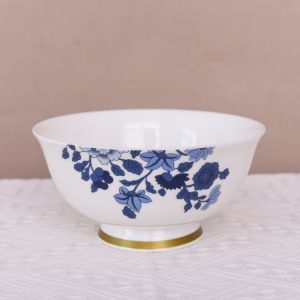
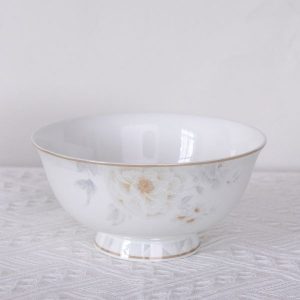
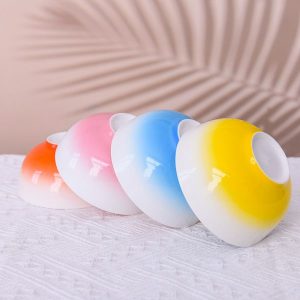
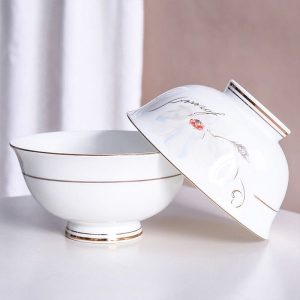
- Unmatched Aesthetic Versatility & Elegance: Porcelain is the ultimate canvas. It can be crafted into myriad shapes, from classic rimmed plates to modern coupe styles. Its naturally bright white body is perfect for everything from minimalist designs to intricate hand-painted patterns and vivid underglaze colors. This versatility allows it to fit any décor, from rustic farmhouse to ultra-modern.
- Superior Durability & Chip Resistance (When High-Fired): Despite its refined appearance, true vitrified porcelain is surprisingly tough. Fired at over 1200°C, it becomes dense and non-porous, offering excellent resistance to chipping, scratching, and daily wear-and-tear compared to other ceramics like earthenware. This makes it suitable for both home and commercial use.
- Excellent Practical Performance:
- Heat Retention: Porcelain has good thermal mass, helping to keep plated food warm longer—a valued trait in both restaurants and homes.
- Non-Porous & Hygienic: The vitrified surface does not absorb food stains, odors, or bacteria, making it inherently sanitary and easy to clean.
- Modern Convenience: Most quality porcelain is dishwasher, microwave, and oven-safe (always verify manufacturer labels), offering significant practical flexibility for today’s kitchens.
- Pleasant User Experience: The material feels substantial and balanced in the hand. A smooth, finely finished rim ensures a comfortable drinking and dining experience. The glaze provides a glass-like, non-stick surface that is a pleasure to use.
The Disadvantages & Considerations: What to Keep in Mind
Understanding the potential drawbacks allows for proper care and realistic expectations.
- Weight and Fragility: While chip-resistant, porcelain is not unbreakable. It can crack or shatter if dropped onto a hard surface or subjected to severe impact. It is also heavier than materials like melamine or certain plastics, which may be a consideration for storage or commercial handling.
- Thermal Shock Sensitivity: This is a key consideration. Porcelain can crack if exposed to sudden, extreme temperature changes—for example, taking a dish directly from a hot oven and placing it on a cold, wet surface, or pouring cold water into a scorching-hot cup. Care must be taken to avoid these transitions.
- The Critical Importance of Quality & Safety: Not all porcelain is created equal. The primary potential drawback lies in low-quality products.
- Safety of Glazes: Inferior or non-compliant glazes may contain trace amounts of heavy metals like lead or cadmium. This risk is entirely mitigated by purchasing from reputable manufacturers who provide certified, lead-free products that meet FDA or LFGB standards. This is a non-negotiable factor for safety.
- Cost of Quality: Truly high-quality, certified porcelain commands a higher price than basic dishware. It is an investment, though one that pays off in longevity and performance.
- Care Considerations: While generally dishwasher-safe, handwashing is gentler and helps preserve delicate decorations and the pristine glaze finish over many years. Abrasive cleaners should be avoided to prevent scratching.
Porcelain Dinnerware: At a Glance
| Pros | Cons |
| Elegant, versatile aesthetic | Can break if dropped or mishandled |
| Highly durable & chip-resistant | Sensitive to thermal shock (sudden temp changes) |
| Non-porous, stain & odor resistant | Quality varies; safety depends on glaze certification |
| Excellent heat retention | Higher initial cost than basic dishware |
| Typically microwave, oven & dishwasher safe | Heavier than some alternative materials |
Making the Right Choice: Key Takeaways
Porcelain is an excellent choice if you value: timeless beauty, durable performance for daily use, a premium feel, and the convenience of oven-to-table service. It is ideal for households, restaurants, and anyone viewing dinnerware as a long-term investment.
You may want to consider alternatives if: your primary need is for ultralight, completely unbreakable ware (e.g., for outdoor cafes or young children), or if your budget is severely constrained for initial outlay.
The Most Important Factor: The single greatest “con”—potential safety issues—is eliminated by being an informed buyer. Always insist on purchasing from reputable sources that provide verifiable safety certifications (lead-free, cadmium-free, FDA/LFGB compliant).
Conclusion: A Timeless Choice, When Chosen Wisely
The pros of high-quality porcelain dinnerware significantly outweigh the cons for most users. Its blend of beauty, strength, and functionality is why it remains a benchmark for fine tableware. The key to complete satisfaction lies in recognizing it as an investment and choosing quality. By selecting certified, well-crafted pieces from trusted suppliers and treating them with sensible care—avoiding thermal shock and rough handling—you will enjoy the elegance and durability of porcelain for decades. It is a classic for good reason.