Porcelain Mug vs. Stainless Steel Cup: Which is Better for You?

Choosing the right vessel for your daily brew is a personal decision, but for businesses, retailers, and bulk purchasers, it’s a strategic one that impacts cost, customer experience, and brand perception. The classic porcelain mug and the modern stainless steel cup represent two different philosophies in drinkware. This in-depth comparison goes beyond personal preference, examining the material science, functional performance, and ideal applications of each to help you make the most informed decision for your home, business, or inventory.
Material & Construction: A Tale of Two Technologies
Understanding how they are made is key to understanding how they perform.
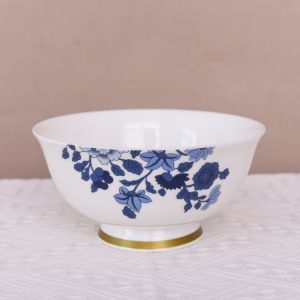
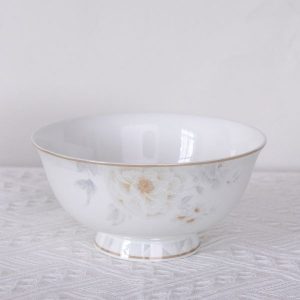
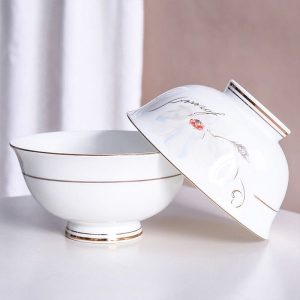
- Porcelain Mug: A high-fired ceramic crafted from kaolin clay, known for its vitrified, non-porous finish. The manufacturing process involves molding, high-temperature firing (over 1200°C), and glazing, resulting in a product celebrated for its craftsmanship and aesthetic versatility.
- Stainless Steel Cup: Typically made from food-grade 304 or 316 stainless steel, an alloy of iron, chromium, and nickel. Advanced models feature double-wall vacuum insulation, where two steel walls are sealed with a vacuum in between, creating a powerful thermal barrier.
Head-to-Head Comparison: Porcelain vs. Stainless Steel
The core differences lie in performance, durability, and user experience.
| Feature | Porcelain Mug | Stainless Steel Cup |
| Thermal Performance | Heat Retention: Excellent. The ceramic mass absorbs heat, keeping the beverage warm for a considerable time. The cup itself warms up. | Temperature Retention: Superior. Double-wall vacuum insulation keeps drinks hot or cold for hours. The exterior remains near room temperature. |
| Taste & Purity | Neutral. The non-porous, glazed surface is inert and will not impart any flavor, allowing the true taste of coffee or tea to shine. | Potential for Metallic Taste. Lower-quality steel or worn interiors can sometimes impart a subtle taste. High-quality, food-grade steel with a proper finish is generally taste-neutral. |
| Durability & Lifespan | Fragile. Susceptible to chipping, cracking, or breaking from impact. With careful handling, it can last for decades. | Extremely Durable. Virtually unbreakable, dent-resistant, and ideal for high-impact environments (travel, outdoor use, cafes). |
| Weight & Portability | Relatively heavy and less portable. Best suited for stationary use at home, in the office, or at a cafe. | Lightweight for its durability and often designed with portability in mind (lids, handles, carabiners). |
| Design & Aesthetics | Unmatched Versatility. Offers endless possibilities in shape, color, glaze (glossy, matte), and decoration (underglaze printing, hand-painting). Perfect for branding and artistic expression. | Functional & Modern. Design options are more limited, focusing on sleek, modern lines. Decoration is usually limited to laser etching or color powder coating. |
| Safety & Material | Safe when using high-quality, lead-free and cadmium-free glazes from certified manufacturers. | Safe when using food-grade 304/316 stainless steel. Ensure it is from a reputable source to avoid alloys containing harmful metals. |
Key Considerations for Your Choice
Your decision should be guided by your primary use-case and priorities.
Choose a Porcelain Mug if:
- Experience is Paramount: You value the traditional, comforting feel of a warm mug in your hands and the pure, unaltered taste of your beverage.
- Aesthetics and Branding Matter: You need a customizable canvas for logos, artistic designs, or to create a specific ambiance (e.g., in a boutique hotel, restaurant, or as corporate gifts).
- Home or Office Stationary Use: The mug will be used in a controlled, indoor environment where durability against drops is less critical.
- You Prefer a Neutral Taste: You are a purist about your coffee or tea and want no interference from the vessel.
Choose a Stainless Steel Cup if:
- Performance is Priority: Your top need is keeping a drink hot for hours during a commute or keeping it cold throughout a workday or hike.
- Durability is Non-Negotiable: The cup will be used for travel, outdoor activities, gym, or in high-traffic commercial settings (food trucks, hospitals) where breakage is a major cost factor.
- Portability is Key: You need a lightweight, leak-proof option to take on the go.
- Low Maintenance is Valued: It is generally more resistant to stains and odors and is almost indestructible with basic care.
For Business Buyers: Strategic Sourcing Insights
- For Cafes & Restaurants: Porcelain mugs enhance the in-store experience, support custom branding, and feel premium. Offer insulated stainless steel options for takeaway or branded merchandise.
- For Hotels & Hospitality: Fine porcelain or bone china mugs in rooms signal luxury. Durable stainless steel is ideal for poolside service, gym areas, or staff use.
- For Corporate Gifting: High-quality custom porcelain mugs are classic, desk-friendly gifts. Premium branded stainless steel travel cups are perceived as high-value, practical lifestyle items.
- For Retailers: Stocking both allows you to cater to different customer lifestyles—the homebody and the adventurer.
Conclusion: The Right Tool for the Right Moment
There is no single “best” cup—only the best cup for a specific need.
Porcelain wins on traditional experience, aesthetic beauty, and taste purity. It’s for savoring the moment, for feeling grounded, and for appreciating craft.
Stainless Steel wins on technological performance, rugged durability, and portable convenience. It’s for modern, on-the-go lifestyles where function leads form.
By understanding these fundamental differences, you can confidently select—or supply—the perfect vessel. For many, the ideal solution is to own both: a cherished porcelain mug for serene mornings at home and a trusty stainless steel companion for conquering the day. Evaluate your primary use case, and let that guide you to your perfect cup.