Porcelain Dinnerware: 7 Pro Tips for Selection and Daily Use
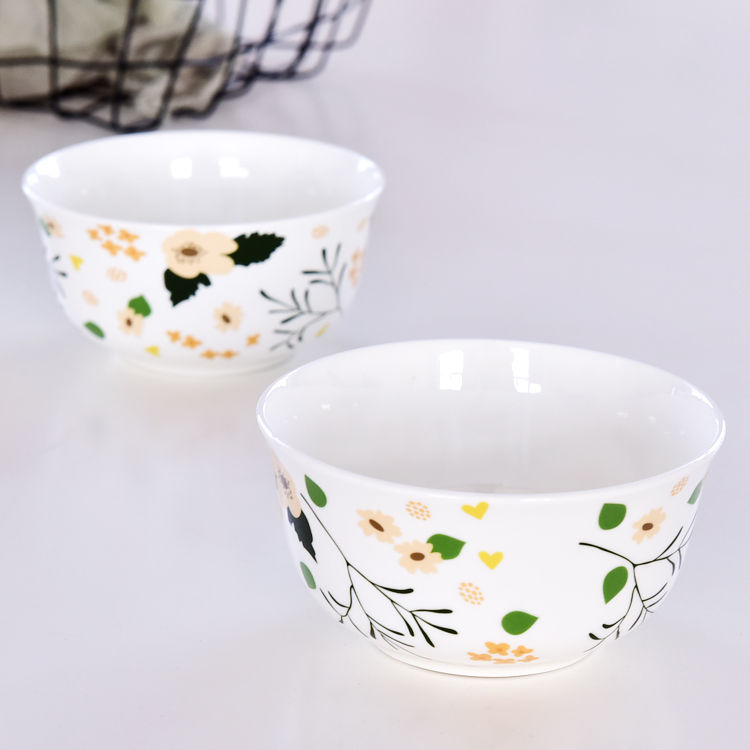
Porcelain dinnerware is cherished for its beauty, durability, and classic elegance. To ensure that your investment remains safe, beautiful, and functional for years to come, informed selection and proper care are key. Whether you’re choosing pieces for your home or sourcing for a commercial kitchen, these seven professional tips will guide you in selecting the safest, highest-quality porcelain and maintaining it flawlessly through daily use.
Tip 1: Prioritize Safety Through Proven Manufacturing
Action: Verify safety credentials before purchase.
Why: The primary concern with any dinnerware is food safety, specifically regarding heavy metals like lead and cadmium, which historically were used in some ceramic glazes and decorations.
How to Apply: Always purchase from reputable suppliers or established brands that adhere to strict international safety standards. Look for or request documentation confirming the product is lead-free, cadmium-free, and complies with FDA (USA) or LFGB (Europe) regulations. This is your most reliable guarantee of safety, making alternative “home tests” unnecessary.
Tip 2: Choose the Right Decoration Type
Action: Prefer underglaze decoration for daily use items.
Why: The decoration method determines both durability and safety.
How to Apply:
- Underglaze Decoration (Highly Recommended): The pattern is applied directly to the raw clay body and then sealed under a protective, clear glaze. This makes the design extremely durable, scratch-resistant, and completely food-safe, as it is never in direct contact with food or drink.
- Understand Other Types: Overglaze or on-glaze decorations are applied on top of the fired glaze. While they can be safe from certified manufacturers, they are more susceptible to wear over time. For maximum safety and longevity, especially for plates and bowls, choose underglaze designs.
Tip 3: Start with a Visual and Physical Quality Check
Action: Inspect for craftsmanship flaws before first use.
Why: Quality control begins with you. Identifying defects early ensures you only use perfect pieces.
How to Apply: When you receive new dinnerware, inspect each piece. Run your fingers over the surface. The glaze should be smooth, even, and glass-like. Check for:
- Crazing: A network of fine cracks in the glaze. Avoid pieces with crazing, as these cracks can harbor bacteria.
- Pinholes or Bubbles: Small imperfections in the glaze surface.
- Warping or Uneven Rims: The piece should sit flat on a level surface without rocking.
Tip 4: Implement Smart Usage Practices
Action: Use the right piece for the right food to maximize safety and longevity.
Why: While high-quality, certified porcelain is very stable, adopting smart habits is a best practice.
How to Apply:
- For serving or storing highly acidic foods (e.g., tomato sauce, citrus-based dishes, vinegar) for extended periods, consider using complementary glassware. This is a general precaution for all dishware types.
- Avoid using metal utensils to cut food directly on decorated porcelain plates, as this can scratch the glaze over time. Use a separate cutting board.
Tip 5: Master Proper Cleaning and Care
Action: Clean gently to preserve the finish for decades.
Why: Proper care prevents surface damage and maintains the pristine appearance of your porcelain.
How to Apply:
- Dishwasher Safe? While most modern, high-fired porcelain is dishwasher safe, handwashing with a mild detergent is always gentler and helps preserve delicate patterns and the glaze’s luster for longer.
- Avoid Abrasives: Never use steel wool or harsh abrasive cleansers. Use a soft sponge or cloth to prevent scratching the glaze.
- Prevent Thermal Shock: Allow very hot dishes to cool slightly before washing, and avoid plunging a hot plate directly into cold water, as extreme, rapid temperature changes can cause cracks.
Tip 6: Follow Guidelines for Microwave and Oven Use
Action: Confirm suitability and use correctly.
Why: Not all decorated porcelain is suitable for all heat applications. Misuse can cause damage.
How to Apply: Only use pieces that are explicitly labeled microwave safe or oven safe by the manufacturer. Generally, plain, white porcelain is the safest for heating. Avoid using pieces with metallic trim (e.g., gold, platinum rims) in the microwave, as metal can cause arcing (sparks).
Tip 7: Conduct Regular Inspections and Know When to Retire a Piece
Action: Periodically check your dinnerware for damage.
Why: Compromised porcelain can harbor bacteria and may no longer be safe.
How to Apply: Regularly inspect your collection. Retire any piece that has a chip, a deep scratch, or a crack. A damaged glaze can expose the porous ceramic body underneath, creating an unhygienic surface. It’s better to replace a single piece than risk safety.
Conclusion: Confidence in Every Meal
Choosing and caring for porcelain dinnerware is simple when you are equipped with the right knowledge. By following these seven professional tips—prioritizing certified safety, selecting durable underglaze designs, implementing gentle care, and performing regular inspections—you can enjoy the timeless beauty of your porcelain with absolute confidence.
Quality porcelain, when chosen wisely and maintained properly, is not just tableware; it is a durable, safe, and elegant heirloom for your home or a reliable workhorse for your business. Let these guidelines help you build a collection that brings grace and security to your table for countless meals to come.