Is a Porcelain Cup Good for Brewing Tea? Flavor & Experience
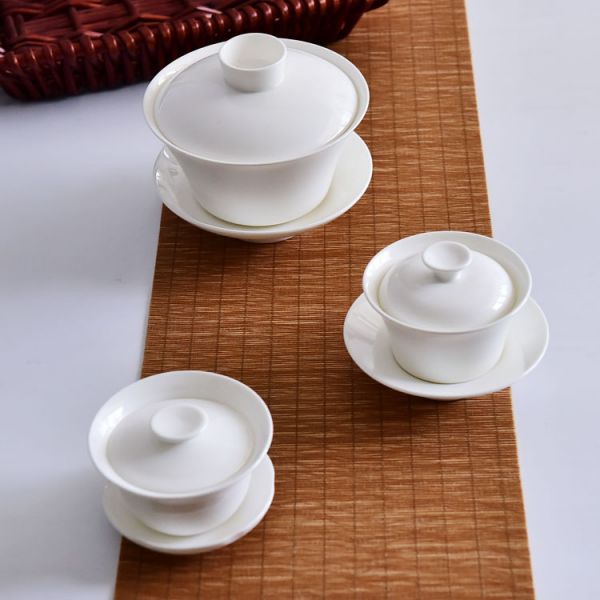
For tea enthusiasts and casual drinkers alike, the choice of vessel is an integral part of the ritual. While many materials are used, the porcelain cup stands as a timeless classic for a reason. But is it truly the best choice for brewing tea? The answer is a resounding yes. Beyond its elegant appearance, a high-quality porcelain cup is engineered to enhance the tea experience, acting as a neutral yet active partner in revealing the full spectrum of aroma, flavor, and color in your brew. This guide explores the science and sensory benefits behind using a porcelain cup, explaining why it is often the preferred choice for discerning tea drinkers worldwide.
1. The Perfect Neutral Canvas: Preserving Pure Flavor
The most critical role of a teacup is to present the tea without interference. Porcelain excels in this fundamental task.
- Non-Porous and Non-Reactive: High-fired porcelain is vitrified, meaning it has a glass-like, impermeable surface. Unlike some clays or low-quality ceramics, it will not absorb the essential oils, flavors, or aromas from your tea. This ensures that each cup tastes purely of the tea leaves themselves, with no residual flavors from previous brews.
- Glaze Matters: A high-quality, food-safe glaze provides a perfectly smooth barrier. This neutrality allows you to appreciate the subtle differences between a delicate Silver Needle white tea and a robust Da Hong Pao oolong, with absolute clarity and no cross-contamination of taste.
2. Mastering Temperature: The Science of Heat Retention
Tea is profoundly sensitive to temperature. Porcelain offers an ideal balance for both brewing and drinking.
- Pre-Warming is Key: A key advantage of porcelain is its thermal mass. By pre-warming the cup with hot water, you create a stable micro-environment. When you pour in your tea, the temperature drop is minimized, allowing for a more consistent and optimal extraction during the crucial first sips.
- Ideal Drinking Temperature: While it retains heat well, porcelain does not insulate as aggressively as double-walled glass or travel mugs. This is a benefit! It allows the tea to cool at a gentle, natural pace to a drinkable temperature, and lets the evolving aroma escape, which is part of the tasting experience. The cup itself becomes comfortably warm in the hand, adding to the sensory pleasure.
3. Aesthetic Enhancement: Color, Form, and Ritual
Tea drinking engages all the senses. Porcelain elevates this experience aesthetically.
- Showcasing the Liquor: The typically white or ivory body of a porcelain cup acts as a perfect backdrop to appreciate the tea’s true color—from the pale gold of a green tea to the deep ruby red of a black tea. This visual appraisal is the first step in the tasting ritual.
- Ergonomic Design: The shape of the cup influences the experience. A cup with a thinner, rolled rim directs the tea smoothly onto the palate. The size and shape of the handle (or lack thereof in traditional tasting cups) affect comfort and the feel of the ceremony.
- A Ritualistic Feel: The weight, balance, and delicate quality of fine porcelain or bone china add a sense of ceremony and mindfulness to the act of drinking tea, transforming it from a simple beverage break into a moment of focused appreciation.
4. Porcelain vs. Other Common Materials: A Comparative View
Understanding how porcelain compares to other materials highlights its unique advantages for tea.
| Material | Pros for Tea | Cons for Tea | Best For |
| Porcelain | Neutral flavor, good heat control, ideal for aroma, elegant aesthetic. | Can break if dropped. | The ultimate all-rounder. Ideal for almost all tea types, especially where appreciating pure, unadulterated flavor is key. |
| Unglazed Clay (e.g., Yixing) | Porous; can enhance body and mellow certain teas over time. | Seasoned for one tea type; can transfer flavors. Not neutral. | Dedicated connoisseurs of one tea type (e.g., Pu-erh, Oolong) seeking a specific muting effect. |
| Glass | Visually stunning, allows you to watch leaves unfurl. | Poor heat retention, cools quickly. Can feel less substantial. | Green, white, and flowering teas where visual display is a priority. |
| Stoneware | Rustic, artisanal feel; generally good heat retention. | Often heavier; glazes can be less fine than porcelain. | Casual, everyday tea drinking with a preference for handmade aesthetics. |
| Bone China | Superior thinness, lightness, and bright whiteness; excellent strength. The premium choice. | Higher cost. | The pinnacle of luxury tea service, where exquisite feel and presentation are paramount. |
5. Choosing the Right Porcelain Cup for Your Tea
Not all porcelain cups are equal. For the best experience, consider these factors:
- Shape and Size: Smaller cups (2-4 oz) are perfect for concentrated, gongfu-style brewing of oolongs and Pu-erhs. Larger cups (6-8 oz) suit western-style brewing of black teas or herbals.
- Glaze and Make: Ensure the cup uses a high-quality, food-safe (lead-free) glaze. The interior should be glazed for neutrality and ease of cleaning.
- The “Feel”: The cup should feel balanced and pleasing in your hand. The rim should be smooth against your lips.
Conclusion: The Unmatched Companion for True Tea Appreciation
Is a porcelain cup good for brewing tea? It is not merely good; for the majority of tea styles and drinking contexts, it is the reference standard. Its unparalleled combination of material neutrality, controlled heat management, and elegant presentation makes it the most reliable and versatile choice for anyone serious about tea.
It respects the tea maker’s craft by faithfully delivering the intended flavor profile. It engages the drinker by enhancing color, aroma, and the tactile ritual. Whether you are a business sourcing teaware for a hotel or a consumer curating a personal tea moment, investing in a fine porcelain cup is an investment in the quality of the experience itself. Choose porcelain, and let every cup be a clear, pure, and beautiful reflection of the tea within.