How to Choose Good Ceramic Tableware: 7 Key Buying Tips

How to Choose Good Porcelain Tableware: 7 Key Buying Tips
Selecting high-quality porcelain tableware requires evaluating multiple factors, including material, craftsmanship, glazing, design, durability, and practical functionality. With the right knowledge, consumers can confidently choose porcelain tableware that is safe, beautiful, and long-lasting. Below are seven essential tips to help you make an informed purchasing decision.
1. Choose the Right Material
Porcelain tableware comes in various material categories. Among them, porcelain is known for its smooth glaze, dense texture, and premium appearance, making it ideal for formal dining or high-end use. Bone china is typically lighter and thinner, suitable for everyday meals. When making a selection, consider how the tableware will be used and choose a material that matches your preferred balance of aesthetics, durability, and practicality.
2. Check the Glaze Quality
The glaze quality directly affects the look, feel, and hygiene of porcelain tableware. A well-made porcelain piece should have a smooth, even glaze without visible bubbles, pits, or stains. The color should be consistent, without patches or discoloration. When touching the surface, it should feel delicate and refined—not rough or uneven. High-quality glazing also creates a protective layer that enhances durability and prevents absorption of odors or liquids.
3. Evaluate Craftsmanship
Craftsmanship determines the structural integrity and lifespan of porcelain tableware. Carefully inspect the edges, rims, and the base to ensure there are no cracks, sharp spots, or manufacturing defects. High-quality porcelain pieces have clean, smooth edges and a uniform thickness. Items that are too thin may look elegant but are more prone to breakage. A well-crafted piece not only looks sophisticated but also performs reliably under regular use.
4. Consider Design and Style
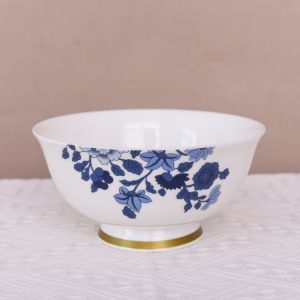
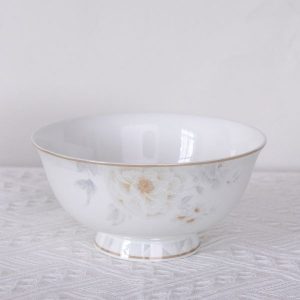
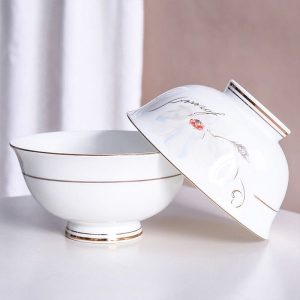
Porcelain tableware is an extension of personal taste and home décor. Whether you prefer minimalist aesthetics or decorative, hand-painted patterns, choose designs that complement your dining environment. Some artisanal or handcrafted pieces may come at a premium but offer higher collectible value and artistic appeal. For families, restaurants, or hospitality businesses, selecting designs that balance beauty and practicality is often the best approach.
5. Assess Practicality and Functionality
Beyond appearance, porcelain tableware should also meet daily-use requirements. Features such as anti-slip bases can improve stability, while heat-resistant designs are suitable for microwaves, ovens, and dishwashers. If you frequently heat food or serve hot dishes, prioritize porcelain rated for high temperatures. Always match product functionality with your actual usage scenarios to ensure a better dining experience.
6. Verify Brand Reputation and Production Origins
Reputable porcelain brands typically adhere to strict quality standards, ensuring consistency in craftsmanship and materials. Choosing trusted manufacturers increases the likelihood of obtaining durable and safe products. Additionally, certain regions are known for long-standing porcelain traditions and superior craftsmanship. Learning about the production origin can help you better assess the overall value and quality of the tableware.
7. Pay Attention to Durability
Durability is one of the most important metrics when purchasing porcelain tableware. Ask about the product’s resistance to wear, heat, and cold. High-durability porcelain pieces maintain their appearance over time, resist cracks, and withstand daily handling. This reduces replacement frequency and ensures a better return on investment, especially for hospitality businesses or frequent home use.
Bonus Tip: Evaluate Price and Value
Price differences among porcelain tableware sets can be influenced by materials, craftsmanship, design complexity, and brand reputation. Instead of focusing solely on price, evaluate overall value, including quality, usability, and longevity. The most cost-effective porcelain tableware is not always the cheapest, but the one that meets your needs while offering dependable long-term performance.
Conclusion
Choosing good porcelain tableware requires a balanced evaluation of material quality, glaze finish, craftsmanship, design, functionality, durability, and value. By understanding these key factors, consumers can confidently select porcelain pieces that enhance everyday meals and elevate dining experiences. Whether for home use, commercial service, or gifting, high-quality porcelain tableware remains a reliable and elegant choice.