How to Buy Porcelain Dinnerware: 5 Essential Factors to Consider
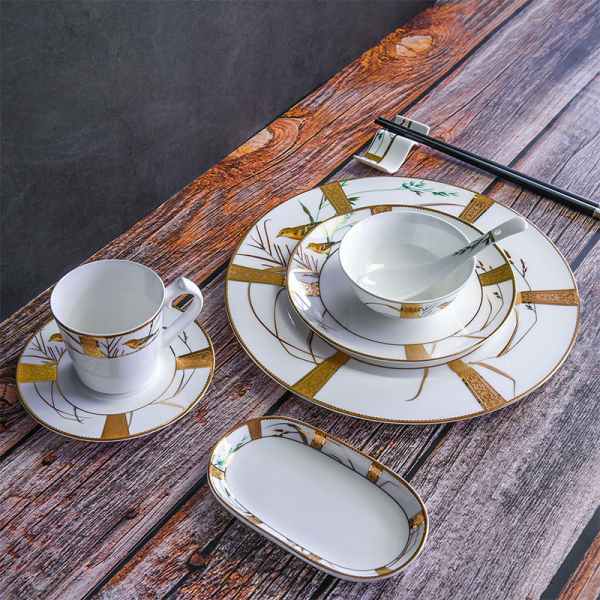
Purchasing porcelain dinnerware is an investment in your dining experience, whether for your home, a restaurant, or a hospitality business. With countless options available, making an informed choice requires looking beyond aesthetics to the fundamental factors that ensure safety, durability, and long-term value. This guide outlines the five essential factors you must consider to confidently select high-quality porcelain dinnerware that is as safe and functional as it is beautiful.
1. Factor 1: Verify Safety Certification (The Non-Negotiable)
Before any other consideration, confirm the safety of the materials. The primary concern in ceramicware is the potential presence of lead and cadmium in glazes and decorations.
- What to Do: Insist on purchasing from suppliers who provide proof of compliance with stringent international safety standards. Look for or request documentation stating the dinnerware is lead-free, cadmium-free, and meets FDA (USA) and/or LFGB (Europe) regulations for food contact.
- Why it Matters: This certification is your guarantee that the products have been laboratory-tested and are safe for serving food. Never rely on unverified “home tests” or assumptions. Reputable manufacturers proudly provide this documentation.
2. Factor 2: Understand Decoration & Glaze Quality
The type of decoration is a key indicator of safety, durability, and longevity. The glaze—the glassy coating—must be of the highest quality.
- Choose Underglaze Decoration: For the safest and most durable option, select pieces with underglaze decoration. Here, the pattern is applied to the raw clay and then sealed underneaththe final, clear glaze. This makes the design impervious to wear, dishwasher-safe, and completely food-safe.
- Assess the Glaze: The glaze itself should be flawlessly smooth, glass-like, and free of pinholes, cracks (crazing), or rough textures. A high-quality, vitrified glaze is non-porous, preventing stains and bacterial absorption, and is easy to clean.
3. Factor 3: Evaluate Craftsmanship and Structural Integrity
Superior craftsmanship ensures durability, functionality, and everyday enjoyment. Examine pieces for these hallmarks of quality.
- Structural Soundness: The piece should feel substantial and well-balanced. Plates and bowls should sit flat without wobbling. Check for symmetry and consistent wall thickness.
- Finishing Details: Run your fingers along edges, rims, and the foot of the piece. Everything should be smooth and refined, with no sharp or rough spots. Handles should be securely and seamlessly attached, designed for a comfortable grip.
- Visual Inspection: Hold pieces up to the light. Look for any warping, uneven coloring in the body, or imperfections in the glaze. High-quality porcelain will have a bright, white, and uniform body.
4. Factor 4: Choose a Reputable Brand or Manufacturer
Your source matters. Established brands and manufacturers invest in quality control, consistent production, and material safety.
- Seek Out Expertise: Purchase from companies specializing in porcelain dinnerware with a transparent history. For business buyers, this means partnering with OEM/ODM manufacturers who have export certifications and a portfolio of quality projects.
- Value of Sampling: Reputable sellers will support the sampling process. For large orders, always approve a physical production sample before full manufacturing begins. This sample becomes your quality benchmark.
- Check Business Credentials: For B2B purchases, verify the manufacturer’s business licenses, quality management certifications (e.g., ISO), and their commitment to social compliance standards.
5. Factor 5: Consider Practical Use and Care Requirements
Ensure the dinnerware’s functionality aligns with your lifestyle or business operations.
- Functional Suitability: Confirm the pieces are labeled as dishwasher safe and microwave safe if you require these features. Ensure the designs and shapes meet your serving needs (e.g., plate size, bowl depth).
- Care for Longevity: While quality porcelain is durable, proper care extends its life. Avoid extreme thermal shock (e.g., transferring from a hot oven directly to a cold surface). Although often dishwasher-safe, handwashing with a mild detergent is gentler and best preserves delicate decorations over decades of use.
- Commercial Considerations: For businesses, evaluate stackability for storage, weight for handling, and the availability of the pattern in open stock for future replacement and expansion.
Conclusion: An Informed Purchase for Lasting Satisfaction
Buying porcelain dinnerware should be a confident and rewarding process. By methodically applying these five essential factors—prioritizing safety certification, selecting durable underglaze decoration, evaluating craftsmanship, choosing a reputable source, and confirming practical functionality—you move beyond simple aesthetics to make a wise investment.
This disciplined approach ensures that the dinnerware you bring to your table is not only elegant but also inherently safe, built to last, and a joy to use every day. Let these factors guide your decision, and invest in porcelain that delivers enduring beauty, performance, and peace of mind.