Custom Porcelain Tea Cup: Key Factors for Design, Craftsmanship & Satisfactory Delivery
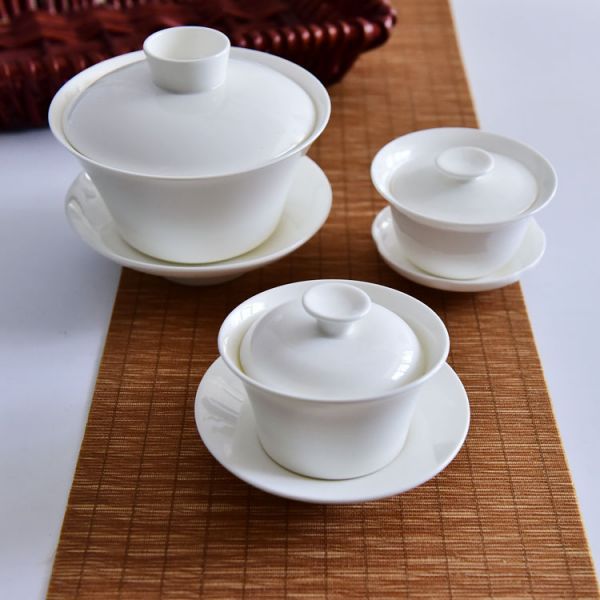
Custom porcelain tea cups offer businesses a powerful tool for brand building, client gifting, and creating a unique experience. For personal users, they are a way to express individual taste. However, bridging the gap between a brilliant concept and a flawlessly delivered product requires meticulous planning. Success hinges on three pillars: a well-executed design, masterful craftsmanship, and a reliable delivery process. This guide details the key factors to consider for a smooth, successful custom tea cup project that meets your exact specifications and exceeds expectations.
Step 1: Strategic Design & Creative Vision
A clear and feasible design brief is the blueprint for success. This stage prevents costly misunderstandings and revisions.
- Define Purpose & Audience: Are these cups for a luxury hotel, a corporate gift, or a boutique cafe? The use-case dictates everything from durability and style to the perceived value. Clearly define the end-user experience.
- Select the Ideal Material: The choice of body determines aesthetics, feel, and function.
- Bone China: The premium choice for elegance. It is exceptionally white, highly translucent, surprisingly strong, and lightweight. Ideal for high-end branding and gifts.
- Porcelain: The versatile workhorse. Durable, chip-resistant, with a classic white appeal. Perfect for high-volume or everyday luxury use.
- Stoneware/Earthenware: Offers a rustic, artisanal, and sturdy feel. Better for a handcrafted, organic aesthetic.
- Craft the Visual Design:
- Artwork Quality: Provide high-resolution, vector-based artwork (e.g., .AI, .EPS, .PDF) for logos or graphics. This ensures crisp, scalable printing without pixelation.
- Color Specification: Use Pantone (PMS) codes for exact color matching. Be aware that colors on-screen (RGB) may differ from printed ceramic colors.
- Decoration Technique: Choose a method that matches your design complexity and budget.
- Underglaze Printing: Colors are applied to the raw body and sealed under a clear glaze. This is the most durable and recommended method for designs requiring frequent washing, as the design is protected.
- Overglaze/Decal: The design is applied on top of the fired glaze. Allows for more color variety and photographic detail but can be less resistant to wear over time.
Step 2: Mastering Craftsmanship & Production
This is where your design is physically realized. Understanding the process ensures quality and manages expectations.
| Factor | Key Questions & Considerations |
| Material & Body Quality | Is the body pure, white, and vitrified? Does it have a fine, smooth texture? Request material specifications. |
| Forming Technique | Is it jiggered (standard shape), slip-cast (complex shapes), or hand-thrown (artisanal)? This affects cost, uniformity, and minimum order quantities. |
| Glaze & Finish | Is the glaze food-safe, lead-free, and cadmium-free? Is the finish glossy, matte, or satin? It must be smooth, even, and free of pinholes. |
| Firing Process | High-temperature firing (as with porcelain and bone china) ensures durability, non-porosity, and a stable finish. |
Step 3: Ensuring Satisfactory Delivery & Fulfillment
A perfect cup is only valuable if it arrives perfectly and on time. Diligent project management is crucial.
- Prototype & Sampling (Non-Negotiable): Never approve mass production without a physical sample. Inspect it for color accuracy, size, weight, handle comfort, glaze quality, and decoration alignment. This “golden sample” becomes the benchmark for the entire order.
- Quantity, Budget & Clear Specifications: Confirm Minimum Order Quantities (MOQ). Larger orders reduce the unit cost. Provide a detailed Purchase Order (PO) listing every item, size, design code, and quantity. Agree on packaging (individual wrapping, gift boxing) to prevent damage.
- Realistic Timeline Management: Custom ceramic production is not fast. It involves mold creation, sampling, production, firing, decoration, and quality control. A typical timeline is 60-120 days. Build buffer time into your schedule for shipping and customs clearance.
- Quality Control (QC) Protocols: Define quality standards upfront. For substantial orders, consider a pre-shipment inspection to check for defects (cracks, glaze flaws, printing errors) against the approved sample before shipment.
- Logistics & Supplier Partnership: Clarify shipping terms (FOB, CIF, etc.), insurance, and liability. Choose a supplier who communicates proactively, provides updates, and acts as a partner, not just a vendor. Understand their policies for damaged goods or errors.
Step 4: Choosing the Right Manufacturing Partner
Your supplier is the most critical factor in this process. Look for a partner with:
- Proven Expertise in custom porcelain, especially in your desired technique (e.g., underglaze printing for complex logos).
- Transparent Communication and a single point of contact.
- Commitment to Safety Certifications (FDA, LFGB, lead-free/cadmium-free compliance).
- A Robust Sampling Process and clear quality control steps.
Your Checklist for a Successful Custom Tea Cup Project
- [ ] Design Brief Finalized: Purpose, material, and high-resolution artwork ready.
- [ ] Sample Reviewed & Approved: Physical sample matches all specifications.
- [ ] PO Issued: All details (quantity, design, packaging) are documented.
- [ ] QC Plan Agreed: Inspection rights and standards are confirmed.
- [ ] Timeline Confirmed: Production and delivery dates are realistic and documented.
- [ ] Supplier Vetted: Partner has proven experience and compliance certifications.
Conclusion: From Vision to Vessel
A successful custom porcelain tea cup project is a blend of clear vision, technical knowledge, and disciplined partnership. By meticulously addressing the key factors in design, craftsmanship, and delivery, you transform a concept into a tangible product that embodies your brand’s quality and vision. The result is more than just a cup; it’s a curated experience, a lasting impression, and a testament to thoughtful execution. Begin your project with a clear plan and a trusted partner to ensure the journey is as satisfying as the final product itself.