


Custom Porcelain Tableware: A Complete Guide with 7 Key Considerations from Design to Production
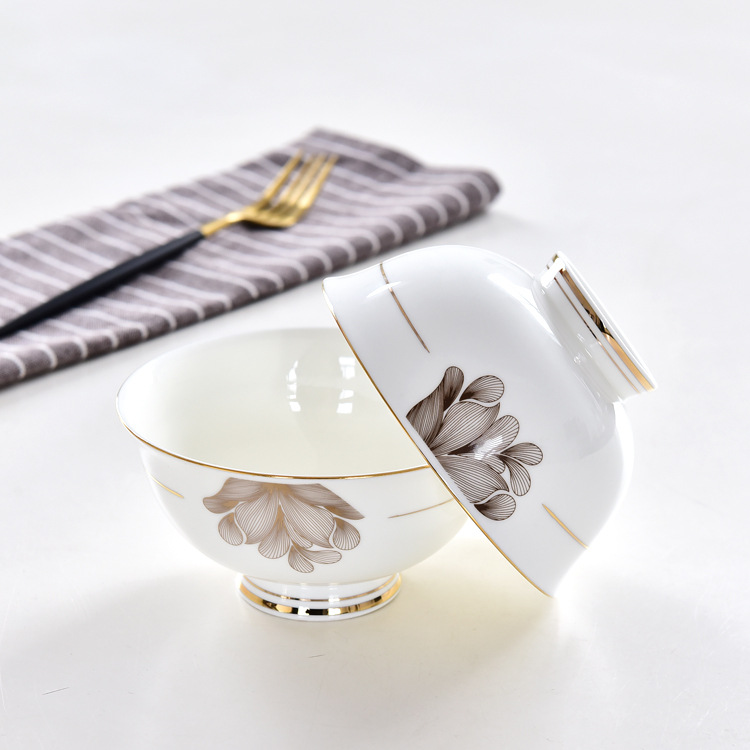
Custom porcelain tableware offers a powerful way to elevate a restaurant’s ambiance or add a unique, personal touch to a home dining experience. Moving beyond standard sets, it allows for the creation of pieces that perfectly reflect a brand’s identity or an individual’s style. However, the journey from concept to finished product involves several critical steps. A clear understanding of the process ensures the final tableware not only looks stunning but also performs flawlessly. This guide outlines the seven key considerations to ensure a successful custom porcelain project, from initial design to final production.
1. Material Selection: The Foundation of Quality and Safety
The choice of material is the most fundamental decision. Porcelain itself is a high-quality, durable type of ceramic known for its strength, whiteness, and translucency. It is essential to confirm the specific body composition and firing temperature with your manufacturer to ensure it meets your requirements for durability (chipping resistance) and safety (food-contact standards). While porcelain is premium, other ceramics like stoneware may be options depending on the desired aesthetic and budget. Always prioritize materials that are certified food-safe and lead/cadmium-free for peace of mind.
2. Needs Assessment: Defining Function and Scope
Before any design work begins, thoroughly analyze your needs. For restaurants, consider the specific menu items, service style (fine dining vs. casual), and the volume of daily service to determine the ideal shape, size, and quantity of each piece. For personal use, think about the number of place settings needed and daily usage patterns. Clearly defining the functional requirements—such as stackability for storage, dishwasher and microwave safety, and oven-to-table capability—will guide the design and material selection, ensuring the final products are as practical as they are beautiful.
3. Design Style: Creating a Cohesive Aesthetic
The design is the heart of customization. Determine a cohesive style that aligns with your restaurant’s theme or your personal home decor. Consider the overall shape profiles (e.g., minimalist, classic rim, organic), color palette, and the type of decorative technique (underglaze, overglaze, hand-painting, decals). Inspiration can be drawn from the manufacturer’s existing patterns or you can provide original artwork. The goal is to create a design that is not only visually appealing but also translates well into the porcelain manufacturing process.
4. Pattern and Artwork Specifications: Ensuring Print-Ready Files
If your design includes specific patterns, logos, or illustrations, providing high-quality artwork is crucial. Your manufacturer will require print-ready digital files, typically in vector format (like AI or EPS) for crisp, scalable graphics. For photographic or complex color designs, high-resolution images with precise color profiles are needed. Work closely with the manufacturer’s design team to understand their technical specifications, including safe zones, bleed areas, and color limitations (e.g., PMS color matching capabilities), to ensure the final decoration on the porcelain matches your vision.
5. Order Quantity: Balancing Cost and Practicality
The production quantity directly impacts the unit cost due to mold creation, setup, and decoration costs. While larger orders significantly reduce the cost per piece, it’s important to order a practical quantity based on realistic usage and storage capacity. Discuss minimum order quantities (MOQs) with your supplier, which can vary depending on the complexity of the customization. A clear forecast of your needs will help you optimize the order quantity to control costs without overstocking.
6. Production Timeline: Planning for Realistic Lead Times
Custom porcelain production is not an overnight process. It involves multiple stages: mold creation (if new shapes are required), body forming, firing, glazing, decorating, and a final firing. Each step requires time for production, drying, and quality checks. A typical custom order can take anywhere from 60 to 120 days or more. Always discuss and confirm a detailed production schedule with your manufacturer, and plan your project timeline accordingly to ensure the tableware arrives when you need it.
7. Supplier Collaboration: The Key to Success
Perhaps the most critical step is choosing and working with the right manufacturer. A reliable partner, like a professional supplier, provides invaluable expertise. Engage in detailed communication to confirm their capabilities, request physical samples (bisque or glazed) to assess quality, and understand their quality control protocols. Discuss all logistical details, including payment terms, shipping, insurance, and their policy on replacements for damaged goods. A transparent and collaborative relationship with your supplier is the best guarantee that your custom porcelain tableware will meet all expectations for design, quality, and functionality.
By carefully navigating these seven key considerations, you can confidently navigate the custom porcelain process. The result will be a unique collection of tableware that perfectly embodies your vision, crafted with the quality and durability expected of fine porcelain.


