


Safety First: 5 Crucial Factors and Safety Standards to Consider When Choosing Porcelain Dinnerware for Children
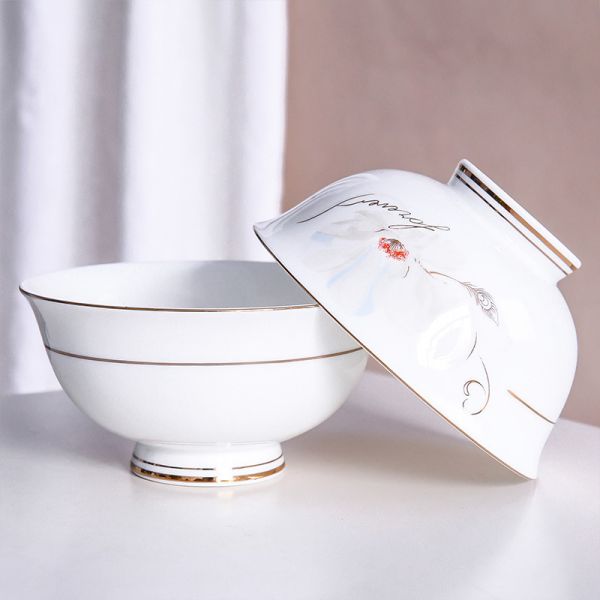
Choosing the right dinnerware for children requires balancing visual appeal with paramount safety. While parents often seek vibrant colors and fun designs, the material quality, structural integrity, and chemical composition are non-negotiable, especially when dealing with porcelain.
This guide outlines the 5 crucial factors and associated safety standards that buyers, parents, and retailers must consider when selecting porcelain dinnerware for children.
5 Crucial Factors for Children’s Porcelain Dinnerware
1. Safety Standards and Non-Toxicity (The Most Crucial Factor)
The dinnerware must pose zero risk to a child’s health from chemical exposure or physical hazard.
- Chemical Safety: The material must be non-toxic and guaranteed free from harmful substances. Crucially, ensure compliance with international food safety standards (e.g., FDA, EU/LFGB) regarding lead and cadmium leaching.
- Physical Safety: The design must eliminate sharp edges or easily breakable sections. Choose thick, high-fired porcelain that is inherently durable and less prone to chipping.
2. Durability and Resistance to Wear
Children’s dinnerware must withstand frequent use, drops, and aggressive cleaning.
- Material Hardness: Opt for high-quality porcelain or bone china with superior hardness and resistance to abrasion. This ensures the structural integrity remains intact over time.
- Glaze Integrity: The glaze must be hard and scratch-resistant. Scratches can harbor bacteria and compromise the aesthetic appeal of the fun decorations.
3. Ease of Use and Ergonomics
Design should prioritize the child’s ability to handle the pieces safely and independently.
- Shape and Size: Dinnerware should be appropriately sized for small portions and designed with easy-to-grip shapes or stable bases to prevent tipping. Avoid overly complex or deep shapes that are difficult for a child to scoop food from.
- Cleaning: The pieces must be easy to clean. Simple shapes and high-quality, non-porous glazes prevent food particles and stains from accumulating, ensuring proper hygiene.
4. Decoration and Attachment Security
While decorations add fun, their application must meet the highest safety standards.
- Design Appeal: Fun decorations, such as animal motifs, cartoon characters, or playful images, enhance mealtime engagement.
- Security of Decoration: Ensure the decorations are applied securely, preferably using the Underglaze technique. This process locks the colors beneath the protective glaze layer, preventing the artwork from peeling or flaking off, which could be ingested by a child.
5. Environmental and Ethical Sourcing
Choosing environmentally responsible products aligns with modern values and often indicates higher overall manufacturing standards.
- Eco-Friendly Materials: Select manufacturers that adhere to green production principles, using eco-friendly glazes and responsibly sourced raw materials.
- Low Radioactivity: Ensure the raw materials meet low-radioactivity standards, further reducing any environmental impact associated with production.
Conclusion: A Guarantee for Growth and Health
The selection of porcelain dinnerware for children requires a holistic approach: combining aesthetic appeal with stringent safety criteria. Only by prioritizing non-toxicity, robust durability, and safe decorative applications can you ensure the dinnerware is both beautiful and practical, providing a secure foundation for a child’s healthy growth and development.


