


Are Porcelain Tea Cups Toxic? Unveiling Material Safety, Glaze & How to Choose Safely
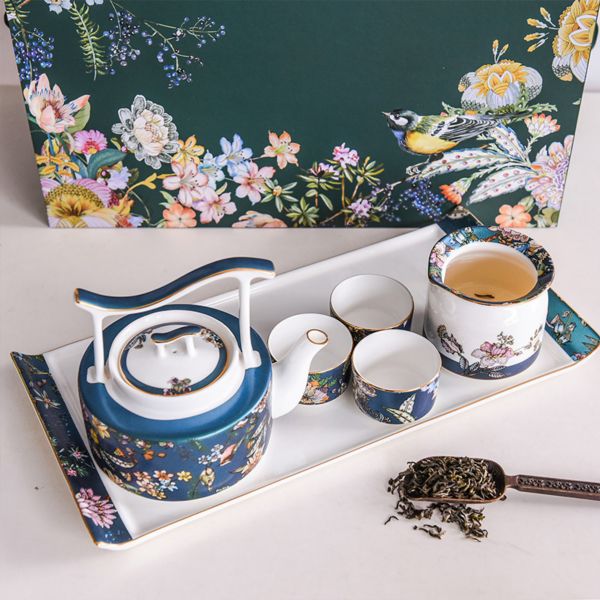
The simple pleasure of a perfect cup of tea can be overshadowed by a concerning question: is my porcelain tea cup safe, or could it be leaching toxins? The direct and reassuring answer is that high-quality, properly manufactured porcelain tea cups from reputable brands are overwhelmingly safe and non-toxic. The risk lies not in porcelain itself, but in potential contaminants from inferior materials and improper manufacturing processes. This guide cuts through the confusion, unveiling the facts about material safety, the crucial role of glaze, and providing a clear, actionable framework for making the safest choice for you and your family.
1. The Core Materials: Is Porcelain Inherently Safe?
Porcelain, a high-grade ceramic, is fundamentally inert and safe. It is crafted from natural materials—primarily kaolin (a pure white clay), quartz, and feldspar—and fired at extremely high temperatures (above 1200°C/2192°F). This process, called vitrification, creates a non-porous, glass-like structure that is chemically stable.
- The Cup Body: The porcelain body itself is essentially a form of refined stone. It does not react with food or beverages, does not harbor bacteria, and will not release harmful substances.
- The Real Concern: Safety issues almost never originate from the porcelain body. The potential source of concern lies exclusively in the glazes and decorative colors applied to its surface, and the standards under which they are produced.
2. The Critical Factor: Understanding Glaze and Decoration Risks
The glaze is the glassy coating that makes your tea cup smooth, waterproof, and decorative. It is here that safety must be assured.
- The Lead and Cadmium Issue: Historically, certain compounds of lead and cadmium were used in glazes and decorative paints to achieve brilliant colors, lower firing temperatures, and create glossy finishes. If used in low-quality or improperly formulated glazes, these heavy metals can leach (migrate) into food and drink, especially acidic liquids like coffee, tea, wine, or citrus juices. Chronic exposure to lead and cadmium is linked to serious health risks.
- How Safe Modern Tableware is Made: Reputable, certified manufacturers have phased out the use of these harmful substances in glazes intended for food contact. They use modern, stable, lead-free and cadmium-free formulations. The safety determinant is not the material per se, but the quality control and regulatory compliance of the factory.
3. How to Identify and Choose a Truly Safe Porcelain Tea Cup
You can confidently ensure your tea cup’s safety by following this checklist:
1. Prioritize Reputable Brands and Suppliers
This is the most important step. Established brands and specialty suppliers (like those curated on trusted platforms) stake their reputation on quality and safety. They source from factories that adhere to stringent international standards.
2. Look for Safety Certifications and Compliance
Always check product descriptions or labels for compliance with strict international safety regulations. The most important certifications to look for or ask about are:
- FDA Compliant/Lead-Free: Meets U.S. Food and Drug Administration standards for lead and cadmium release.
- LFGB/GB Standards: Complies with stringent European (LFGB) or Chinese (GB) food contact material safety standards.
- Prop 65 Compliance: Indicates the product is safe regarding California’s strict Proposition 65 list of chemicals.
3. Understand Decoration Types: Underglaze vs. Overglaze
The decoration method is a key indicator of durability and safety.
- Underglaze Decoration (Recommended): Colors are applied directly onto the raw clay body and then sealed undera clear, protective glaze layer. This makes the decoration incredibly durable, dishwashable, and completely safe, as it is isolated from food and drink.
- Overglaze/On-Glaze Decoration: The design is applied on topof the fired glaze and re-fired at a lower temperature. While modern, compliant overglazes can be safe, they are more susceptible to wear over time. For maximum safety, especially for daily use, prefer underglaze decoration.
4. Perform a Visual and Physical Inspection
- Avoid Crazing: Reject any cup with a network of fine cracks in the glaze. This “crazing” can harbor bacteria and increase the risk of material breakdown.
- Feel the Rim and Interior: Run your finger along the drinking rim and inside the cup. The surface should be completely smooth. A rough, gritty, or chalky feel can indicate a poor-quality glaze.
- Avoid Damage: Never use a chipped or cracked cup, as the underlying porous body can be exposed.
4. Safe Use and Care Guidelines
Even a safe cup requires proper care to remain so.
- Initial Washing: Always wash new porcelain tea cups before first use with warm, soapy water.
- Avoid Extreme Abuse: While high-fired porcelain is very durable, avoid using it to store highly acidic liquids for prolonged periods (days). Do not use it on a direct stovetop flame.
- Microwave and Dishwasher Safety: Only use cups that are explicitly labeled as microwave and dishwasher safe. This label confirms the glaze’s stability under thermal and chemical stress.
Conclusion: Enjoy Your Tea with Absolute Confidence
The question, “Are porcelain tea cups toxic?” has a clear answer: No, not when they are produced responsibly. Toxicity is a function of poor manufacturing, not of porcelain itself.
By choosing tea cups from certified, reputable sources that use lead-free, cadmium-free glazes, and by preferring underglaze decoration, you eliminate virtually all risk. The elegance and pleasure of a fine porcelain tea cup are meant to be enjoyed without concern. Make informed choices by prioritizing safety certifications and trusted craftsmanship, and you can savor every sip with complete peace of mind, knowing your chosen piece is as safe as it is beautiful.


