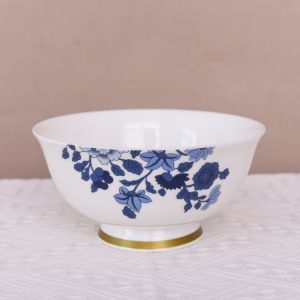
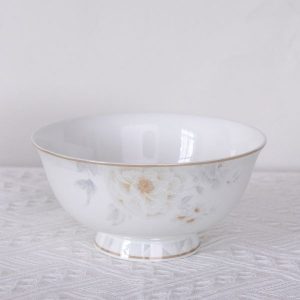
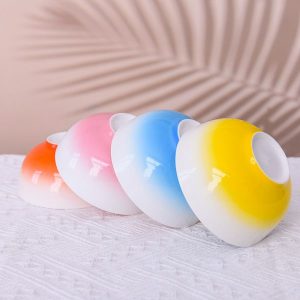
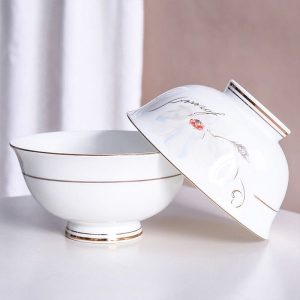
Bone China vs. Porcelain: The Ultimate Guide to Material Differences

In the world of fine tableware, two materials stand as pillars of quality: bone china and porcelain. While often used interchangeably in casual conversation, they are distinct in composition, character, and capability. For buyers, retailers, and hospitality professionals, understanding this distinction is crucial for making informed purchasing decisions that align with brand image, functional needs, and budget. This ultimate guide delves into the science and craft behind these materials, clearly outlining their differences to help you select the perfect tableware for any occasion.
1. The Core Difference: It Starts with the Recipe
The most fundamental distinction lies in their raw material composition, which dictates all subsequent properties.
- Porcelain: Often called “true porcelain” or “hard-paste porcelain,” it is a refined ceramic made from a specific blend of pure white kaolin clay, quartz, and feldspar. This mixture is fired at an exceptionally high temperature (typically above 1300°C / 2372°F), resulting in a vitrified, non-porous, and translucent material.
- Bone China: A type of porcelain distinguished by a unique ingredient. Its composition includes bone ash (calcium phosphate), traditionally derived from cattle bones, in a proportion of at least 25-30%, combined with kaolin and feldspathic material. This critical addition is what sets it apart, giving bone china its legendary characteristics. The firing process is a two-stage operation, contributing to its final strength and whiteness.
2. Physical Properties & Performance: A Side-by-Side Comparison
The difference in ingredients translates into tangible differences in performance and feel, crucial for both daily use and commercial applications.
| Property | Porcelain | Bone China |
| Translucency & Color | Opaque to slightly translucent. Has a pure, bright white color. | Highly translucent; you can see shadows through it. It possesses a distinctive, warmer, creamier whiteness. |
| Strength & Durability | Very strong and chip-resistant due to high firing. An excellent, durable choice. | Remarkably strong for its weight. The bone ash creates a unique microstructure, making it less brittle and more chip-resistant than porcelain, despite feeling more delicate. |
| Weight & Feel | Has a substantial, solid, and sturdy feel in the hand. | Notably lighter and thinner than porcelain of comparable size. It feels delicate, refined, and elegant. |
| Thermal Properties | Good heat retention. Can feel hot to the touch when containing a hot beverage. | The lower thermal conductivity of bone ash means the cup stays cooler to the touch while keeping liquids hot, enhancing comfort. |
3. Manufacturing & Craftsmanship: A Rigorous Process
Both materials undergo rigorous and complex production processes, as exemplified by dedicated manufacturers. The journey from raw material to finished piece involves precise forming, high-temperature firing, and meticulous glazing. The addition of bone ash and the two-stage firing process for bone china require even greater precision and expertise, contributing to its premium status and value. This commitment to craft ensures that from here, you embark on an extraordinary journey with tableware of exquisite beauty and integrity.
4. Aesthetics, Applications & Commercial Considerations
Choosing between them often comes down to the desired experience and practical use case.
- Porcelain: The Versatile Workhorse
- Best For: Everyday durability, high-traffic restaurant service, modern minimalist aesthetics, and bakeware. It is incredibly versatile, offering a perfect balance of elegance and resilience at a competitive price point.
- Visual Appeal: Provides a pristine, bright white canvas that makes food colors pop. Ideal for bold, underglaze patterns and a crisp, contemporary look.
- Bone China: The Pinnacle of Elegance
- Best For: Luxury hotels, fine dining establishments, high-end giftware, afternoon tea sets, and anyone seeking the ultimate in tabletop sophistication. Its delicate appearance belies its practical strength.
- Visual Appeal: The warm whiteness and translucency give it a luminous, delicate quality that is unmatched. It is the traditional choice for ornate, hand-painted designs and gilt accents, embodying timeless elegance.
5. Making the Right Choice for Your Needs
Your decision should be guided by priorities:
- Choose Porcelain if: Your top priorities are exceptional durability for daily use, excellent value for money, and a bright, modern aesthetic. It is the reliable, high-performance choice for both homes and bustling food service environments.
- Choose Bone China if: You seek the highest level of luxury, refinement, and perceived value. Its unparalleled combination of lightness, strength, and luminous beauty makes it the definitive choice for creating memorable, premium experiences. As the provided text notes, this level of quality, requiring advanced raw materials and工艺, typically commands a higher price point.
Conclusion: Two Champions, One Perfect for You
Both bone china and porcelain are superior materials that stand far above ordinary ceramics. The choice is not about which is objectively better, but about which is perfectly suited to your vision.
Porcelain offers robust beauty and incredible versatility, making it a brilliant all-rounder. Bone china represents the zenith of the ceramic art, offering a unique, heirloom-quality experience defined by its delicate strength and warm translucency.
By understanding these material differences, you can confidently specify or select tableware that aligns with your functional demands, aesthetic vision, and brand promise. We are always here for your inquiries to help you navigate this choice, ensuring there’s always a product that’s right for you.