Bone China Disadvantages: 5 Key Drawbacks and Important Usage Tips
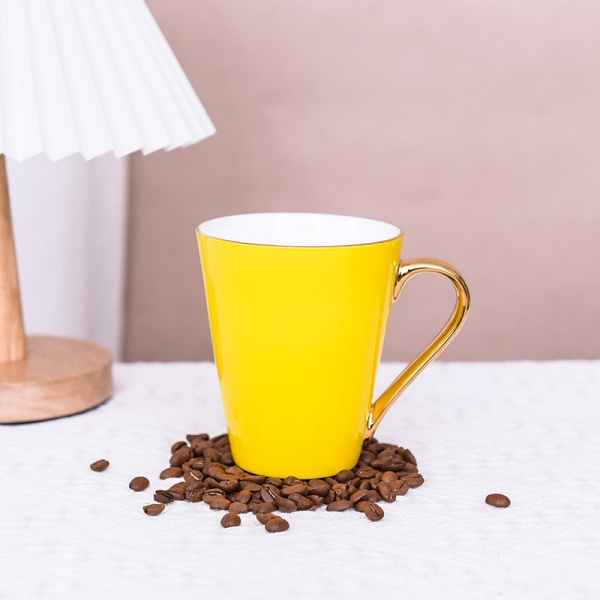
Bone china is often celebrated for its elegant translucency, delicate appearance, and fine texture. However, like any material, it also comes with its own set of drawbacks. Understanding these limitations can help buyers make more informed purchasing decisions—especially when choosing dinnerware, decorative pieces, or collectibles. Below are the five major disadvantages of bone china, along with practical usage tips to help you care for it properly.
1. Difficult to Achieve Ultra-Thin Design
One of the key limitations of bone china lies in its thickness. Although it is lighter and thinner than most ceramics, it cannot achieve the same ultra-thin structure as thin-body porcelain, which can reach only 1–2 mm in thickness.
This limitation makes bone china less ideal for designs requiring an extremely lightweight feel—such as premium teacups, high-end tableware, or fine art pieces that emphasize delicacy and refinement.
Usage Tip:
When selecting bone china tableware, balance aesthetic preference with durability. Slightly thicker bone china pieces are often more resistant to cracking and are better suited for regular household use.
2. Slightly Reddish Tone Instead of Pure White
While bone china is known for its warm ivory hue, this tone tends to have a subtle reddish or cream undertone, unlike the crisp, pure white of fine porcelain. This difference can affect its visual appeal in environments that demand a clean, modern aesthetic—such as luxury hotels or minimalist dining setups.
Usage Tip:
If color consistency is important, consider matching your bone china with neutral or warm-toned table settings. This helps create a cohesive, elegant atmosphere that complements its natural color tone.
3. Limited Shape and Size Options
Bone china is generally used for small to medium-sized items like cups, plates, and bowls. The material’s low plasticity makes it unsuitable for large or complex shapes such as vases, wall panels, or sculptural pieces.
Because bone china cannot be easily hand-thrown on a potter’s wheel, most production relies on molds, limiting design variety and artistic freedom.
Usage Tip:
For decorative projects or custom designs requiring unique forms, traditional ceramics or fine porcelain may be better options. Bone china is best reserved for elegant, refined tableware collections.
4. Low Plasticity Limits Artistic Creativity
Due to its specific composition and lower plasticity, bone china cannot be shaped freely like traditional ceramics. Most bone china pieces are made through slip casting or mechanical molding processes rather than manual crafting.
This restricts the ability of artisans to create detailed, hand-shaped designs, reducing opportunities for unique or artistically expressive works.
Usage Tip:
If artistic detail or hand-crafted value is important, look for limited-edition bone china collections where artisans manually refine molded pieces before firing. This offers a balance between precision and artistry.
5. Low Firing Temperature Restricts Color Effects
Bone china is fired at lower temperatures (around 1150°C) compared to other ceramics like Chinese celadon or white porcelain (which are fired above 1280°C). The lower temperature prevents many metallic pigments from developing vibrant colors during firing.
As a result, bone china often relies on overglaze decals or printed decorations instead of in-glaze coloration, limiting the creative range of patterns and finishes.
Usage Tip:
Avoid exposing decorated bone china to microwaves or dishwashers, as overglaze decorations are more susceptible to fading or peeling under high heat and detergent exposure. Hand washing is the best way to preserve its color and sheen.
Conclusion
Bone china remains a refined and desirable ceramic for fine dining and luxury gifting. However, understanding its disadvantages—such as thickness limitations, color tone, restricted shapes, low plasticity, and decoration challenges—can help buyers make smarter choices. With proper care and thoughtful selection, bone china can still offer long-lasting beauty and elegance despite its technical constraints.