Custom Ceramic Dinnerware: 10 Pitfalls to Avoid & Guide to Perfect Delivery
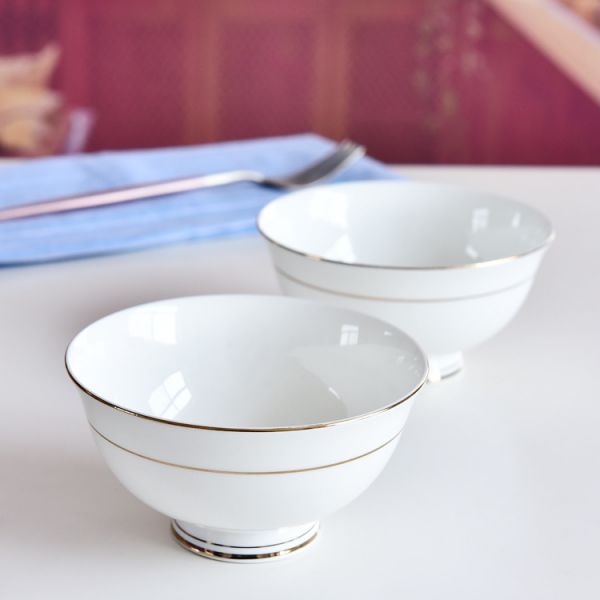
Custom ceramic dinnerware offers an unparalleled opportunity to infuse your brand’s identity or personal style into every dining experience. Whether for a boutique hotel, a distinguished restaurant, or a unique home, bespoke tableware makes a powerful statement. However, the journey from a brilliant concept to flawless tableware on your shelf is fraught with potential missteps. Navigating this process successfully requires careful planning and expert partnership. This comprehensive guide outlines the 10 critical pitfalls to avoid and provides a clear roadmap to ensure your custom ceramic dinnerware project results in perfect delivery, meeting your highest expectations for design, quality, and functionality.
1. Pitfall: Vague Design & Inadequate Artwork
The Guide: Start with Crystal-Clear, Print-Ready Specifications
A common and costly mistake is providing ambiguous design concepts or low-resolution images. This leads to misunderstandings, multiple revision rounds, and production delays.
- Action Plan: Develop a comprehensive design brief. Include detailed mood boards, Pantone (PMS) color codes, and precise dimensions. For patterns or logos, always provide vector artwork (AI, EPS, PDF) to ensure sharp, scalable printing. Confirm the manufacturer’s decoration capabilities (underglaze, overglaze, decal, hand-painting) early to align your design with feasible techniques.
2. Pitfall: Choosing the Wrong Material
The Guide: Match Material to Purpose and Aesthetic
Not all ceramics are the same. Selecting a material based solely on cost or appearance, without considering its performance, is a recipe for disappointment.
- Action Plan:
- Porcelain: Choose for its durability, whiteness, and chip resistance. Ideal for high-volume restaurant use.
- Bone China: Opt for superior elegance, remarkable strength despite thinness, and high translucency. Perfect for luxury hospitality and premium gifts.
- Stoneware: Consider for a rustic, robust feel. Discuss functional needs like microwave, dishwasher, and oven safety with your supplier to select the perfect body.
3. Pitfall: Overlooking Functional & Safety Standards
The Guide: Define and Certify Performance Requirements
Beautiful tableware that cracks in the dishwasher or leaches chemicals is a failure. Assuming functionality without verification is a major risk.
- Action Plan: Explicitly list all functional requirements: microwave-safe, dishwasher-safe, freezer-to-oven capability. Most critically, insist on food-safe certifications. Reputable manufacturers (like those adhering to standards showcased on leading industry sites) should provide test reports (e.g., FDA, LFGB) proving their products are lead and cadmium-free. Never proceed without this assurance.
4. Pitfall: Underestimating Lead Times
The Guide: Plan Realistically and Buffer Your Timeline
Custom ceramic production is an art, not an overnight process. Rushing it compromises quality. Unrealistic deadlines are a primary cause of stress and subpar results.
- Action Plan: Request a detailed production schedule from your manufacturer. A typical custom order involves mold creation, sampling, production firing, decoration, and quality control, taking 90 to 150 days. Factor in buffer time for shipping and customs clearance. Align your project launch or event date with this realistic timeline from the start.
5. Pitfall: Ignoring the Sampling Process
The Guide: Never Skip the Prototype Stage
Approving a design on paper and expecting the final product to match perfectly is a grave error. The sampling phase is your most important quality checkpoint.
- Action Plan: Always request physical samples (a “golden sample”) before full production commences. Inspect the sample for color accuracy, glaze smoothness, weight, balance, and overall finish. Test it for its intended functions (e.g., microwave heating). Your formal approval of this sample should be the green light for mass production.
6. Pitfall: Unclear Quantity and Order Specifications
The Guide: Finalize All Details in the Purchase Order
Ambiguity in quantity, piece types, or packaging leads to incorrect shipments and frustration.
- Action Plan: Create a meticulous itemized list within your Purchase Order (PO). Specify exact quantities for each SKU (e.g., 500x Dinner Plate, 500x Salad Plate). Detail packaging requirements: sets per inner box, boxes per master carton, and any specific labeling. This document is the contractual blueprint for your order.
7. Pitfall: Poor Packaging and Logistics Planning
The Guide: Secure Your Investment with Robust Logistics
Even perfect tableware can arrive destroyed by inadequate packaging or rough handling. Assuming the supplier handles everything is risky.
- Action Plan: Discuss and approve the export packaging method. Ensure cartons are strong, and items are securely separated with foam or dividers. For fragile pieces, consider double-wall cartons. Clarify Incoterms (e.g., FOB, CIF) to define shipping responsibilities and insurance coverage. Inspect goods upon arrival before signing the delivery note.
8. Pitfall: Focusing Only on Unit Price
The Guide: Evaluate Total Value and Long-Term Partnership
Choosing a supplier based solely on the lowest per-piece price often leads to hidden costs in quality issues, poor communication, and unreliable delivery.
- Action Plan: Seek a value-driven partnership. Evaluate the supplier’s design support, sampling process, communication responsiveness, and quality control reputation. A slightly higher price from a reliable partner who ensures perfect delivery saves significant time, money, and stress in the long run.
9. Pitfall: Inadequate Quality Control (QC) Protocols
The Guide: Establish Clear QC Standards and Inspection Rights
Having no defined quality standards means you accept whatever the factory produces.
- Action Plan: Define and agree on an Acceptable Quality Level (AQL) for defects with your supplier. For high-value orders, plan for a pre-shipment inspection either by your own agent or a third-party service. Reserve the right to inspect and reject goods that do not meet the approved sample’s standard before they are shipped.
10. Pitfall: Weak Communication and Project Management
The Guide: Designate a Single Point of Contact
Communicating with multiple, uncoordinated factory representatives leads to information loss and errors.
- Action Plan: Establish one primary contact on both your side and the supplier’s side. Maintain a shared project tracker with key milestones (design approval, sample date, production start, QC, shipment). Schedule regular update calls. Clear, consistent, and documented communication is the glue that holds a complex custom project together.
The Path to Perfect Delivery: A Summary Checklist
To ensure your custom dinnerware project is a resounding success, follow this proven pathway:
- Concept & Briefing: Finalize designs with print-ready artwork and a clear material/function brief.
- Supplier Selection: Partner with a reputable manufacturer with proven custom expertise and safety certifications.
- Sampling & Approval: Create and meticulously inspect physical samples. Do not proceed without your formal sign-off.
- Order Finalization: Issue a crystal-clear PO with all specifications and agree on QC standards.
- Production & QC: Monitor timelines and conduct agreed inspections during and after production.
- Logistics & Delivery: Confirm secure packaging and manage shipping/insurance terms.
- Feedback & Partnership: Provide feedback to strengthen the relationship for future orders.
By proactively addressing these ten pitfalls, you transform the custom ceramic dinnerware process from a potential challenge into a seamless and rewarding collaboration. The result will be a unique, high-quality tableware collection that perfectly embodies your vision and arrives exactly as expected, ready to impress.