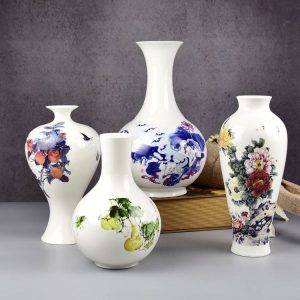
Street Stall Porcelain Tableware: Characteristics & Common Types to Know

When it comes to affordable and practical tableware for everyday use, street stall porcelain tableware is a common choice in many households. Unlike the fine porcelain used in high-end restaurants, these items are typically sold at market stalls, street corners, and bazaars, offering a budget-friendly and versatile option for daily meals. Understanding their characteristics and common types can help you make an informed purchase. Here is a comprehensive guide.
What is Street Stall Porcelain Tableware?
Street stall porcelain tableware refers to ceramic dishes, bowls, cups, and sets commonly found in informal marketplaces rather than specialized stores. They are known for being inexpensive, functional, and widely accessible. While they may lack the refined craftsmanship of high-end porcelain, they play an essential role in everyday dining, especially in homes, casual eateries, and outdoor settings.
Key Characteristics of Street Stall Porcelain Tableware
- Affordable Pricing
The most notable feature is its low cost. Made with simpler materials and production methods, street stall porcelain is accessible to a wide range of buyers, making it ideal for those on a budget or looking for replaceable daily-use items.
- Wide Variety of Designs
You can find an extensive selection of colors, patterns, and shapes—from floral prints and geometric designs to simple solid-color finishes. This makes it easy to match your home décor or personal taste.
- Practical and Functional Designs
These items are designed for everyday usability. They are often lightweight, stackable, and come in standard sizes suitable for common meals, from rice and soup to stir-fries and side dishes.
- Basic Material and Finish
Most street stall porcelain is made from ordinary ceramic clay, fired at lower temperatures compared to premium bone china or high-grade porcelain. The glaze is typically simple, and items may feel slightly thicker or less translucent.
Common Types of Street Stall Porcelain Tableware
| Type | Common Uses & Features |
| Bowls | Available in various depths and diameters—used for rice, soup, noodles, or salads. |
| Plates | Including flat plates for main dishes and deeper plates for curries or saucy meals. |
| Cups & Mugs | Used for tea, water, coffee, or soup; come in different sizes and simple designs. |
| Chopsticks | Often made of bamboo or plastic, sold alongside porcelain tableware. |
| Porcelain Sets | Budget-friendly sets such as bowl & plate combos, tea sets, or full dining sets. |
Common Patterns & Colors
- Floral & Geometric Prints: Simple, hand-painted or stamped patterns like flowers, leaves, or traditional motifs.
- Solid & Two-Tone Colors: Single-color glazes (white, blue, green) or two-color combinations for a clean, modern look.
Material & Production
Most street stall porcelain is made from ordinary ceramic clay with a basic glaze finish. The firing process is less complex than that used for high-density porcelain, which makes the final product more affordable but also slightly more porous and less durable.
What to Check When Buying Street Stall Porcelain
While these items are affordable, it’s important to choose carefully to ensure safety and longevity:
✅ Check for Flaws: Look for cracks, chips, uneven glaze, or rough edges.
✅ Prioritize Hygiene: Buy from clean, well-kept stalls and prefer sealed or well-packaged items.
✅ Consider Matching Sets: If buying a set, make sure pieces are uniform in size, color, and design.
✅ Think About Usage: Choose thicker, sturdier items for daily use, and more delicate designs for occasional serving.
Final Tips
Street stall porcelain tableware offers an economical and practical solution for everyday dining. While it may not be as durable or refined as premium alternatives, with careful selection, it can serve your household reliably for daily meals. Whether you’re stocking a new home, outfitting a casual café, or just need extra dishes for guests, street stall porcelain remains a popular and convenient choice around the world.