Can Hand-Painted Porcelain Tableware Be Used for Cold Dishes? Usage Guide

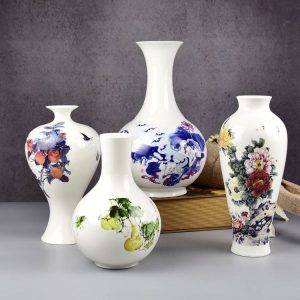
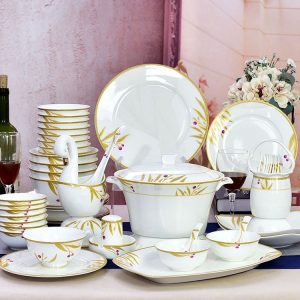
Hand-painted porcelain tableware is celebrated for its artistry and elegance, making it a popular choice for serving meals, including cold dishes. While these decorative pieces are generally safe for serving cold foods, certain precautions ensure their longevity and maintain their beauty. This guide provides key usage tips for safely using hand-painted porcelain tableware for cold dishes.
1. Ensure Food-Safe Paints and Glazes
When using hand-painted porcelain tableware for cold dishes, the first consideration is food safety.
- Confirm that the paints and glazes used are certified safe for food contact.
- Reputable porcelain manufacturers usually adhere to strict safety standards, avoiding toxic materials such as lead or cadmium.
- If you have any doubts, contact the manufacturer to verify the safety of the decorative coatings.
Using tableware with non-toxic, food-safe glazes ensures that cold foods remain safe to consume and do not absorb harmful substances.
2. Avoid Sudden Temperature Changes
Although serving cold dishes does not involve heat, it’s important to manage temperature differences carefully:
- Avoid taking the porcelain directly from the refrigerator or freezer and placing it into a hot environment.
- Sudden temperature changes can cause thermal stress, potentially leading to cracks.
- Gradual transitions between cold and room temperature are recommended.
By controlling temperature changes, you protect both the integrity of the porcelain and the delicate hand-painted designs.
3. Keep Away from Direct Heat Sources
Hand-painted porcelain is primarily intended for serving and display rather than cooking.
- Do not place the tableware directly on stovetops, open flames, or in ovens.
- Avoid using in microwaves unless explicitly stated as microwave-safe by the manufacturer.
Serving cold dishes naturally avoids heat exposure, making hand-painted porcelain safe and ideal for chilled salads, fruits, and appetizers.
4. Gentle Cleaning Practices
Maintaining hand-painted porcelain tableware requires careful cleaning:
- Use soft sponges or cloths and mild dishwashing detergents.
- Avoid abrasive brushes or harsh scrubbing, which can damage the painted surface.
- Hand washing is generally preferred over dishwashers to preserve the artwork.
Proper cleaning prolongs the life of the paint and keeps the porcelain looking pristine for years.
5. Handle with Care
Porcelain, especially hand-painted pieces, can be fragile:
- Avoid dropping or bumping the tableware against hard surfaces.
- Use it with care during serving, storage, and washing.
Even when serving cold dishes, gentle handling ensures the tableware remains in perfect condition.
Conclusion
Hand-painted porcelain tableware is perfectly suitable for serving cold dishes, from salads and fruits to appetizers. The key to long-lasting beauty lies in using food-safe materials, avoiding thermal shock, keeping away from direct heat, gentle cleaning, and careful handling. By following these precautions, you can enjoy both the aesthetic appeal and practical functionality of hand-painted porcelain in your daily dining.