


Porcelain Mugs: Pros and Cons – Are They Worth It?
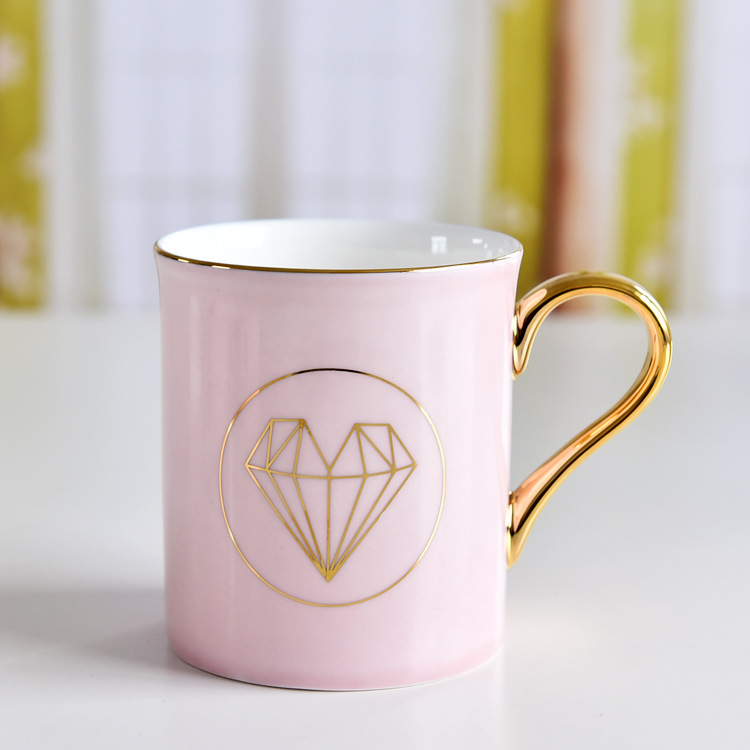
Porcelain mugs have long been a staple in homes, offices, and cafes around the world. Known for their elegant appearance and reliable performance, these mugs come with both notable advantages and a few drawbacks. Whether you’re a coffee lover, tea enthusiast, or simply someone looking for a sustainable drinking solution, understanding the pros and cons of porcelain mugs will help you decide if they’re truly worth it.
Advantages of Porcelain Mugs
1. Eco-Friendly and Natural Material
Porcelain mugs are made from natural clay materials and fired at high temperatures, making them biodegradable and environmentally friendly. Unlike disposable cups or plastic alternatives, porcelain mugs align perfectly with modern sustainability goals. By choosing porcelain, you reduce waste and minimize the environmental footprint associated with single-use drinkware.
2. Aesthetic Appeal and Variety
One of the main reasons people love porcelain mugs is their artistic and visual appeal. They come in countless designs, colors, and finishes — from minimalist white to hand-painted art pieces. Handmade porcelain mugs especially showcase craftsmanship, offering a blend of function and artistic value that makes each mug unique.
3. Excellent Heat Retention
Porcelain mugs have good heat insulation properties, making them ideal for hot beverages like coffee, tea, or cocoa. They keep drinks warm longer than plastic or metal cups without affecting flavor. This thermal stability enhances the overall drinking experience, particularly during colder months.
4. Safe and Non-Toxic
Unlike some plastics that may leach harmful chemicals when exposed to heat, porcelain mugs are free from toxic materials. They are non-reactive, ensuring your drink remains pure and safe. This makes porcelain one of the healthiest options for everyday drinkware.
Disadvantages of Porcelain Mugs
1. Fragility
One of the most significant downsides of porcelain mugs is their tendency to break easily. Compared to metal or plastic, porcelain is more delicate and can chip, crack, or shatter when dropped. This fragility requires careful handling and proper storage.
2. Heavier Weight
Porcelain mugs are heavier than their plastic or stainless-steel counterparts. While this adds a sense of quality and stability, it also makes them less convenient for travel or outdoor activities where lightweight options are preferred.
3. Higher Cost
High-quality or handcrafted porcelain mugs often come with a higher price tag. Although they provide durability and beauty, they might not be the most budget-friendly option for those seeking low-cost drinkware.
4. Sensitive to Temperature Changes
Porcelain can be vulnerable to rapid temperature fluctuations. Pouring boiling water into a cold mug or vice versa can cause cracks or even breakage. To ensure longevity, it’s best to let the mug adjust gradually to temperature changes.
5. Requires Careful Maintenance
Porcelain mugs require gentle cleaning to preserve their glaze and appearance. Harsh scrubbers or metal utensils can scratch the surface, so handwashing with mild soap is recommended. Proper care will extend the mug’s lifespan and maintain its aesthetic charm.
Are Porcelain Mugs Worth It?
Porcelain mugs combine functionality, beauty, and environmental benefits, making them a top choice for many households and businesses. While they may require more care and come at a higher cost, their timeless design, safety, and sustainability make them well worth the investment for those who value both style and substance in their daily routine.


