


A Detailed Guide to the Manufacturing Process of Porcelain Mugs: From Clay to Cup
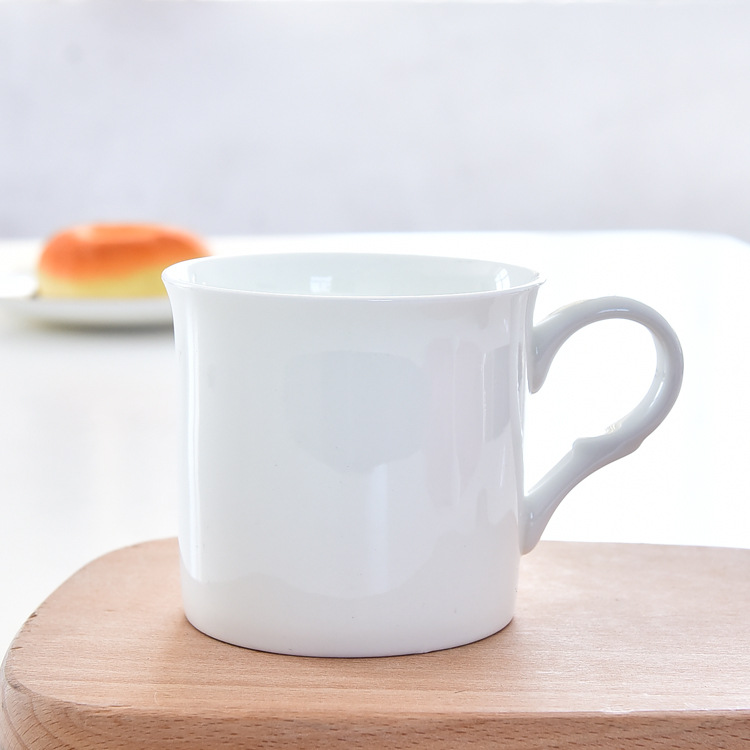
Porcelain mugs are a perfect blend of practicality and artistry. Behind their elegant appearance lies a meticulous manufacturing process that transforms raw clay into beautiful, durable drinkware. From material preparation to decoration and packaging, each step contributes to the quality and uniqueness of the final product.
Here’s a complete look at how porcelain mugs are made—from clay to finished cup.
1. Raw Material Preparation
The foundation of a high-quality porcelain mug starts with its clay. Porcelain clay is a refined material that determines the final product’s color, texture, and strength.
Common types of clay include white clay, red clay, and black clay, but white clay is most often used for porcelain mugs because it produces a clean, pure white surface after firing. This makes it ideal for printing, glazing, and decoration, giving each mug a refined and elegant finish.
2. Forming the Shape
There are two main forming methods used in porcelain mug production:
a. Wheel Throwing (Handmade Forming)
This traditional method involves skilled artisans shaping the clay manually on a potter’s wheel. The craftsman gradually pulls and molds the clay into a cup form. Each mug created this way is unique, carrying the distinct touch of the maker’s craftsmanship.
b. Mold Forming (Slip Casting or Injection Molding)
For mass production, manufacturers use molds to shape the mugs. Liquid clay, or “slip,” is poured or injected into molds, forming the desired shape efficiently. While this method sacrifices some individuality, it ensures consistency and higher productivity—ideal for bulk or commercial porcelain mug production.
3. Trimming and Drying
Once formed, each mug undergoes a trimming process to refine its shape and smooth the edges. This ensures that every cup has a comfortable rim and consistent proportions.
After trimming, the mugs are air-dried in a well-ventilated area to remove excess moisture, preventing cracks or deformation during firing.
4. Firing (The Kiln Stage)
Firing is the most critical stage in the porcelain manufacturing process.
The dried mugs are placed in kilns and fired at extremely high temperatures—typically between 1,000°C and 1,300°C (1,830°F–2,370°F).
During firing, the clay undergoes vitrification, turning into a solid, glass-like material that gives porcelain its durability, hardness, and non-porous surface.
Temperature control during this stage is vital; even a small variation can affect the color, strength, and final finish of the product.
5. Glazing (Optional but Essential for Quality)
Glazing is an optional but highly recommended process that enhances both the beauty and functionality of porcelain mugs.
A layer of glaze is applied to the surface, creating a smooth, glossy, and stain-resistant finish.
Different glaze materials and application methods (such as dipping, spraying, or brushing) produce various visual effects and tactile qualities—ranging from matte finishes to high-gloss looks.
6. Decoration and Printing
Porcelain mugs can be decorated in many creative ways to match personal or commercial needs:
- Hand Painting: Adds artistic and handcrafted value.
- Decal Application: Popular for adding detailed logos or patterns.
- Screen Printing or Heat Transfer Printing: Ideal for custom promotional mugs featuring company logos or designs.
Decorations can be applied before or after glazing, depending on the desired result.
7. Polishing and Quality Inspection
After firing and decoration, the mugs are carefully polished to smooth any rough edges, especially around the rim, ensuring comfortable use.
Each mug then goes through strict quality inspection to check for cracks, blemishes, glaze defects, or color inconsistencies.
Only mugs that meet the manufacturer’s standards are approved for packaging.
8. Packaging
Once inspected, the porcelain mugs are ready for protective and presentable packaging.
Packaging serves two purposes: to protect the mugs during transportation and to enhance their visual appeal.
Most high-quality manufacturers use custom-designed boxes with brand logos, foam inserts, or eco-friendly wrapping to ensure safety and a premium presentation.
9. Delivery and After-Sales Service
The final step is delivery to distributors, retailers, or e-commerce customers.
Reliable porcelain mug manufacturers also emphasize after-sales support, offering prompt responses to inquiries, replacement for damaged goods, and guidance on product care—ensuring long-term customer satisfaction.
Conclusion
The manufacturing process of porcelain mugs is both a science and an art. Every step—from clay selection to forming, firing, glazing, and decorating—requires precision, experience, and craftsmanship.
Traditional hand-forming techniques bring individuality and artistry to each mug, while modern automated methods ensure efficiency and consistency.
Porcelain mugs continue to gain popularity worldwide thanks to their eco-friendly nature, durability, and custom design possibilities. Whether used as everyday drinkware, branded corporate gifts, or artistic home décor, porcelain mugs perfectly combine beauty, functionality, and cultural craftsmanship.


