


Kitchen Safety Q&A: Can Porcelain Bowls Be Put in the Microwave? Expert Answers for You
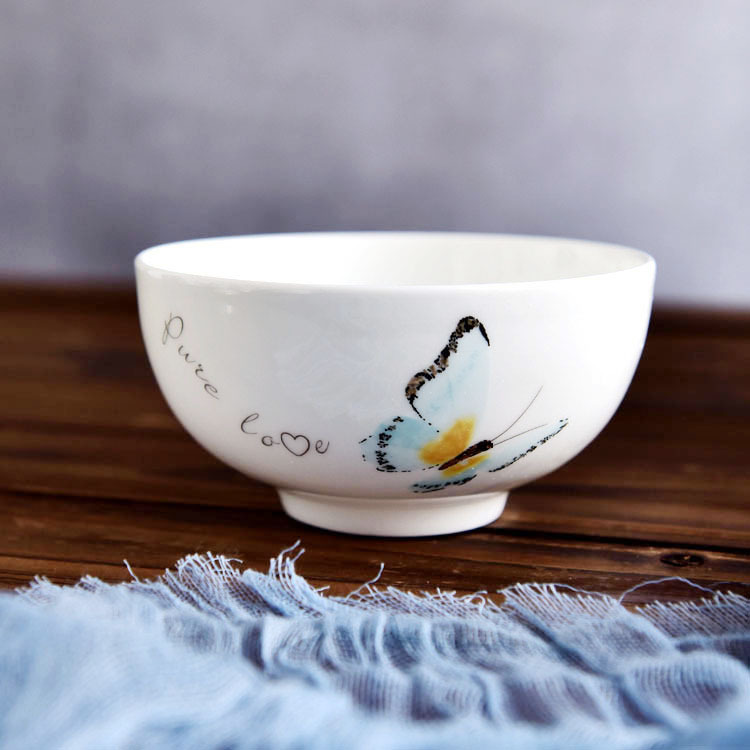
The microwave oven is a staple of modern kitchens, valued for its speed and convenience. A common question for homeowners and commercial kitchens alike is whether their porcelain dinnerware—especially bowls—can safely handle this rapid heating process.
The short answer is yes, most porcelain bowls are microwave-safe, but there are crucial exceptions and safety practices you must be aware of to prevent damage to your bowl and your appliance.
Is My Porcelain Bowl Microwave-Safe? 5 Key Safety Checks
While porcelain (a high-fired ceramic) is generally robust, specific features can make a bowl unsuitable for microwave use. Here are the five key checks you need to perform:
1. Check for Manufacturer Labeling (The Primary Indicator)
- Look for Symbols: When purchasing any porcelain dinnerware, always check the underside of the bowl for clear instructions or markings.
- Safety Icons: Bowls designated as microwave-safe will typically feature a specific icon (often a squiggly line or three waves) or an explicit text label like “Microwave Safe.” If there is no label, proceed with caution or consult the retailer/manufacturer.
2. The Absolute Ban: Avoid All Metal Decorations
- No Sparks Allowed: Never place a porcelain bowl in the microwave if it has any metal ornamentation, metallic rims, gold or silver bands, or any parts that appear metallic.
- The Danger: Metal components reflect microwaves, which can cause arcing (sparks) that can damage the microwave oven and potentially crack the bowl.
3. Consider the Porcelain Type and Glaze
- Porcelain vs. Pottery: High-fired porcelain and stoneware are generally microwave-friendly because they contain fewer air bubbles and absorb less water. Earthenware (pottery) may sometimes heat up excessively due to higher water absorption.
- Manufacturer’s Advice: Always default to the manufacturer’s recommendations, as their firing process dictates the item’s thermal tolerance.
4. Be Mindful of Thermal Shock
- Avoid Rapid Change: Porcelain, like all ceramics, can be sensitive to extreme, rapid temperature fluctuations (thermal shock).
- The Risk: Do not take a very cold bowl directly from the refrigerator or freezer and immediately place it in the microwave on high heat. This rapid change can cause internal stress, potentially leading to cracking or shattering. It is best to allow the bowl to come closer to room temperature first.
5. The Simple Test (If Unlabeled)
If you are unsure whether a plain, unlabelled porcelain bowl is safe, perform this quick test:
- Setup: Place the empty bowl in the microwave alongside a cup of room-temperature water.
- Heat: Microwave both items on high for one minute.
- Check: If the water is hot but the porcelain bowl remains cool to the touch, it is generally microwave-safe. If the bowl itself gets very hot, it is absorbing microwave energy and should not be used.
Practical Safety Tips for Microwaving Porcelain
- Use a Microwave-Safe Plate or Paper Towel: To provide further protection against localized hotspots and prevent the bowl’s base from directly contacting a potentially scratched microwave turntable, consider using a layer of paper towel or a designated microwave-safe plate underneath.
- Monitor Heating: Always start with shorter heating intervals and monitor the bowl, especially during the first few uses.
- Heat Contents, Not the Bowl: A microwave-safe porcelain bowl should primarily heat the food contents, not the bowl itself. If the bowl becomes too hot to handle, discontinue use.
In summary, while the majority of modern porcelain bowls are safe for microwave use, confirming product labeling and avoiding metallic trim are essential safety steps to prevent potential hazards and preserve the integrity of your dinnerware.


