How to Remove Odors from Porcelain Dinnerware: Quick Tips from Manufacturers
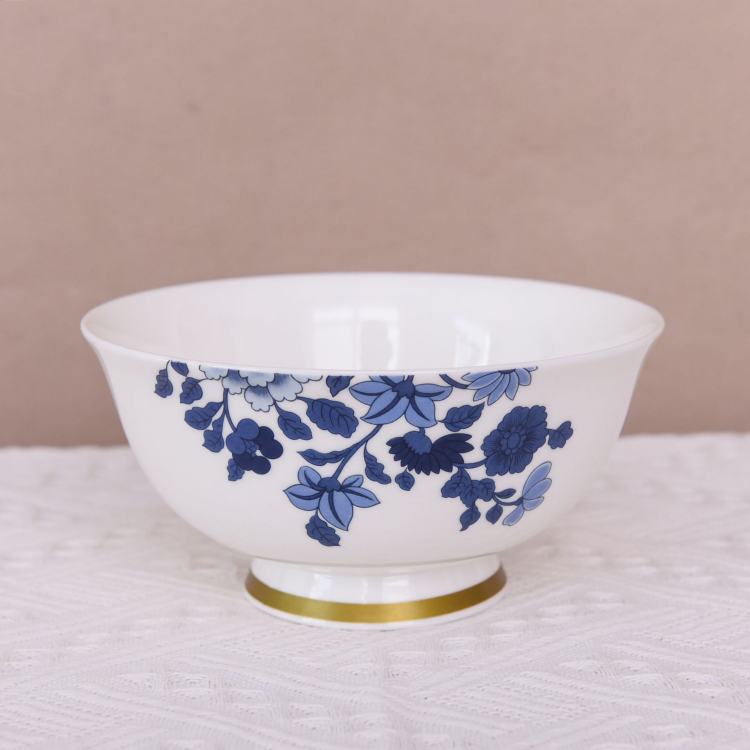
Porcelain dinnerware is prized for its durability, beauty, and non‑porous surface. Yet even the finest porcelain can occasionally absorb lingering odors—from strongly spiced foods, leftover seafood, or prolonged storage in closed cabinets. The good news? Most smells can be eliminated easily using simple, natural methods.
At Classic Bone China, we craft every piece through rigorous and complex production processes, fired at high temperatures to ensure a dense, stain‑resistant glaze. Still, we know that everyday use brings challenges. Here are four quick, manufacturer‑tested tips to keep your porcelain dinnerware fresh and odor‑free.
1. Orange Peel Method
Fresh orange peels contain natural oils that neutralize and absorb unwanted smells.
How to use:
- Place several pieces of fresh orange peel inside the odorous porcelain item (mug, bowl, or container).
- Seal the item with a lid or plastic wrap.
- Leave for 12–24 hours. The citrus oils will gradually absorb the odor.
- Remove the peels and rinse thoroughly with warm water.
Best for: Mugs, teapots, and covered bowls where smells are trapped inside.
2. Milk Soak Method
Milk contains proteins and fats that bind to odor molecules, lifting them away from the porcelain surface.
How to use:
- Pour enough fresh milk (full‑fat works best) into the affected item to cover the interior.
- Swirl or shake gently so the milk contacts all surfaces.
- Let it sit for 30 minutes to 1 hour.
- Discard the milk and wash the item thoroughly with dish soap and warm water.
Best for: Strong smells from fish, garlic, or onion that cling to deep bowls or pitchers.
3. Used Tea Leaves Method
Tea leaves are natural deodorizers. Their porous structure traps volatile compounds responsible for unpleasant odors.
How to use:
- Collect used (wet) tea leaves from brewed tea bags or loose leaf infusions.
- Rub the damp leaves directly onto the interior surface of the porcelain.
- Allow the leaves to sit for 15–20 minutes.
- Rinse with clean water and wash normally.
Alternative: Place dry used tea leaves inside a sealed container with the porcelain overnight.
Best for: General freshening of plates, cups, and storage containers.
4. Saltwater Soak Method
Salt acts as a mild abrasive and natural disinfectant, helping to draw out embedded odors.
How to use:
- Dissolve 2 tablespoons of salt in 1 liter of warm water.
- Submerge the porcelain item completely, or fill it with the solution if it is a hollow piece.
- Soak for 2–4 hours.
- Drain and wash with dish soap and warm water.
Pro tip: For stubborn smells, add a squeeze of lemon juice to the saltwater for extra deodorizing power.
Best for: Everyday plates, bowls, and mugs with mild to moderate odors.
When to Retire a Piece
These four methods resolve the vast majority of odor issues. However, if a piece continues to emit a strong, unpleasant smell even after repeated treatments, it may indicate a deeper problem—such as microscopic cracks in the glaze that trap bacteria. In such cases, replacing the item is the safest and most hygienic choice.
Final Thoughts from Classic Bone China
Keeping your porcelain dinnerware fresh is simple with the right techniques. Orange peels, milk, tea leaves, and saltwater are gentle, effective, and readily available in any kitchen. By incorporating these quick tips into your routine, you can extend the life and enjoyment of your favorite pieces.
At Classic Bone China, every piece is crafted through rigorous and complex production processes, fired at high temperatures, and certified lead‑free and food‑safe. We are always here for your inquiries—whether you need advice on care or a custom order for your home or business.
Provide your ideas, and we will make them happen.
From here, embark on an extraordinary journey to explore the exquisite beauty of bone china.