


Unlocking Optimal Protection: In-Depth Analysis of Porcelain Dinner Packaging’s 4 Key Features and 5 Common Safety Practices
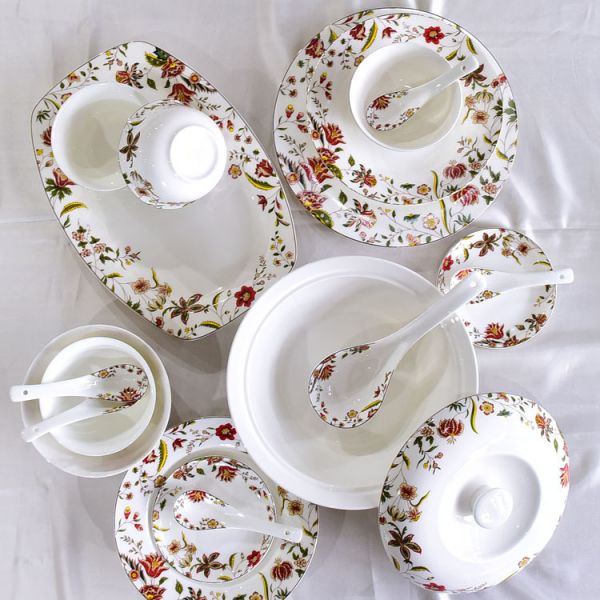
Porcelain dinnerware is delicate yet highly valued, especially in the context of international shipping and retail. The packaging is not merely a box; it’s the first line of defense against damage and a powerful tool for brand recognition. Effective packaging ensures product integrity during transit and storage while providing an attractive aesthetic for the end-user.
This guide breaks down the essential features of high-quality porcelain packaging and the safety practices adopted by leading global suppliers.
The 4 Key Features of Effective Porcelain Dinnerware Packaging
Optimal porcelain packaging focuses on protection, presentation, branding, and logistics. Here are the four primary characteristics:
1. Robust Inner Cushioning Materials
The immediate protection around the porcelain piece is crucial. It absorbs shocks and prevents movement.
- Foam Plastics (EPS/EPE): Used as sleeves or internal fillers surrounding the porcelain items. This material provides superior cushioning against impact and vibration, making it a standard for fragile items.
- Film Wrapping: Individual pieces are often wrapped in transparent plastic film or polybags. This prevents surface scratches, chipping, and maintains cleanliness before the item is unboxed by the customer.
2. High-Quality Outer Casing and Boxes
The outer layer is responsible for structural integrity and external presentation.
- Corrugated Paper Boxes: A common and cost-effective outer packaging method. These boxes can be sturdy and are often customized with the brand logo and product information, making the product appealing on the shelf.
- Color Box Packaging (Retail-Ready): Frequently used for premium or high-end porcelain dinnerware sets. These boxes utilize techniques like color printing, hot stamping, and unique finishes to create a refined, exquisite, and gift-worthy presentation.
3. Strategic Packaging Design for Brand Enhancement
Packaging is an extension of the brand itself. The design elements must be carefully executed.
- Brand Logo and Identity: The brand logo must be prominently displayed on the packaging to instantly boost brand recognition and recall.
- Product Visuals: Including appealing patterns, motifs, or distinctive features of the dinnerware set on the box enhances visual attraction and gives the customer a clear preview of the product inside.
- Care Instructions: Where necessary, essential usage, cleaning, or maintenance tips for the porcelain dinnerware are included on or within the packaging. This enhances customer satisfaction and extends the product lifespan.
4. Corner and Edge Impact Protection
The most vulnerable points of a box—and the items inside—are the corners and edges.
- Protective Corner Design: Extra protective corner pieces are often utilized to prevent corner abrasion or breakage during handling. These are typically made of foam, molded pulp, or plastic materials.
5 Common Safety Practices for Global Porcelain Shipments
For foreign trade and long-distance logistics, several best practices are implemented to ensure the porcelain arrives intact and ready for retail.
| Safety Practice | Goal | Implementation |
| 1. Multi-Layered and Separated Packaging | To prevent mutual collision and damage within sets. | For dinnerware sets or multi-piece combinations, layered packaging is used, with each layer having separate, independent cushioning and protection. |
| 2. Specialized Trays or Inserts | To organize products and enhance presentation value. | High-end porcelain may include custom-designed trays (often velvet or plastic) that neatly arrange the products, increasing the perceived value and display quality. |
| 3. Reinforced Outer Cartons | To ensure overall safe transportation for bulk orders. | Large or high-volume shipments are consolidated into robust, strong master cartons (often double or triple-walled corrugated fiberboard). |
| 4. Moisture and Humidity Protection | To prevent porcelain items from absorbing moisture during long-haul shipping. | For exports or long-distance logistics (especially sea freight), anti-humidity agents like silica gel packs are added inside the packaging. |
| 5. Clear Handling Markings | To guide logistics staff on safe handling procedures. | Packaging is clearly marked with international standard symbols such as “FRAGILE,” “This Way Up,” and “Handle with Care.” |
Conclusion: Packaging as a Strategic Investment
In the competitive porcelain dinnerware market, thoughtful packaging is a strategic investment. Brands must strike a perfect balance by prioritizing product integrity (protection), elevating brand image (design and quality), and facilitating seamless logistics (sturdy structure). By adhering to these 4 key features and 5 safety practices, international buyers can ensure their porcelain imports arrive safely and offer a premium unboxing experience to their customers.


