


Potential Hazards of Porcelain Tableware & Prevention: A Safety Guide
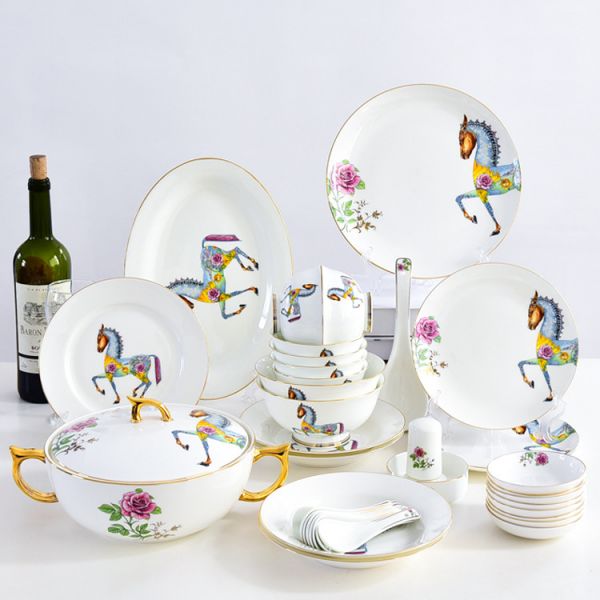
Porcelain tableware is widely used in households and restaurants worldwide due to its elegance, durability, and excellent performance in daily dining. However, improper manufacturing processes or unsafe decorative techniques may introduce potential health risks—particularly those related to heavy metal contamination. This guide provides a comprehensive overview of the possible hazards of porcelain tableware and essential preventive measures to help consumers make safer choices.
Understanding the Potential Hazards of Porcelain Tableware
While high-quality porcelain tableware is safe, certain low-standard products may contain heavy metals such as lead, chromium, mercury, and radium. These substances are often introduced during the production of overglaze decorations or low-grade glazes.
1. Lead Contamination Risks
Lead is the most common heavy metal associated with unsafe porcelain tableware. Long-term exposure to excessive lead may result in lead poisoning, which is especially harmful to:
- Infants and children (impacting brain and nervous system development)
- Pregnant women (affecting fetal growth and cognition)
- Individuals with long-term daily exposure
Lead can leach into food and beverages if the glaze is not properly formulated or fired at insufficient temperatures.
2. Other Heavy Metals: Chromium, Mercury, and Radium
In addition to lead, certain pigments and decorative materials may contain:
- Chromium — may affect liver and kidney function
- Mercury — toxic to the nervous system
- Radium — radioactive, posing long-term health concerns
These risks increase if the tableware uses low-quality paints or is not certified for food contact.
How Unsafe Glaze Techniques Increase Risk
3. Hazards of Overglaze Decoration (釉上彩)
Overglaze porcelain decorations—applied on top of an already-fired glaze and fired at lower temperatures—may contain heavy-metal-based pigments such as lead or chromium.
Key characteristics:
- May be raised or textured to the touch
- The decorative layer directly contacts food
- Low firing temperature increases heavy-metal leaching risk
Consumers should avoid overglaze-decorated porcelain used for direct food contact.
4. Safer Options: Underglaze and In-glaze Decorations
By contrast:
- In-glaze: Fired at high temperatures, decorations sink into the glaze; surface feels smooth.
- Underglaze: Painted before glaze application and fired at high temperatures; pigments are sealed under the glaze.
Both techniques significantly reduce heavy-metal migration and are considered safer choices.
Practical Tips for Choosing Safe Porcelain Tableware
5. Prefer Plain White Porcelain
White porcelain without colorful surface decorations is typically the safest choice because it:
- Contains no pigment-based overglaze
- Has a high-temperature-fired surface
- Minimizes heavy-metal exposure risk
Suitable for daily household use, restaurants, and hospitality services.
6. Check the Surface Quality
A simple tactile inspection helps identify the production method:
- If the surface is smooth → more likely to be in-glaze or underglaze
- If you feel bumps, uneven texture, or raised patterns → likely overglaze
Avoid products with rough, irregular, or brightly colored patterns in direct food-contact areas.
7. Look for Safety Certifications
Consumers should prioritize porcelain tableware labeled as:
- Food-grade
- Lead-free
- FDA/CE-certified
- Compliant with LFGB or other national food-safety standards
Reputable manufacturers clearly indicate compliance on packaging or product descriptions.
Safe Use: How to Reduce Potential Risks at Home
8. Pre-Treatment Before First Use
Before using new porcelain tableware:
- Boil in water for 5 minutes
- Or soak in vinegar for 2–3 hours
These methods help remove residual substances on the surface and reduce heavy-metal migration.
9. Avoid Storing Acidic Foods Long-Term
Even safe porcelain may leach trace metals when in prolonged contact with:
- Vinegar
- Citrus juices
- Tomato sauce
- Acidic pickles
Use glass or stainless steel for long-term storage instead.
10. Replace Damaged Glazed Tableware
Cracks, chips, and glaze wear can increase heavy-metal release. Replace tableware immediately if the surface glaze becomes:
- Scratched
- Chipped
- Discolored
- Crazed (fine cracked lines)
Damaged porcelain should not be used for food.
Conclusion
Porcelain tableware remains a safe, elegant, and widely trusted option when sourced and used correctly. By understanding the potential hazards—especially those related to heavy metals—and applying proper selection and maintenance practices, consumers can confidently enjoy the benefits of porcelain while protecting their long-term health.
Choosing high-quality, certified products and avoiding unsafe overglaze decorations are the most effective ways to ensure safety at the dining table.


