


Porcelain Dinnerware: A Complete Guide to Choosing, Using and Maintaining
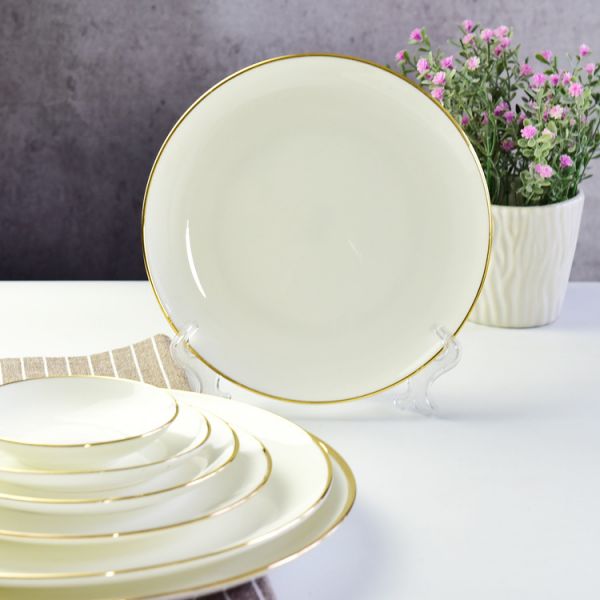
Porcelain dinnerware has long been a staple of elegant dining, valued for its beauty, durability, and food safety. However, selecting the right porcelain set — and maintaining it properly — requires more than just an eye for design. This comprehensive guide will help you understand how to choose high-quality porcelain dinnerware, use it safely, and extend its lifespan through proper care.
How to Choose the Right Porcelain Dinnerware
1. Pay Attention to Raw Materials
The foundation of safe and durable porcelain dinnerware lies in its raw materials. Premium porcelain is made from natural, non-toxic clays, such as kaolin, quartz, and feldspar. When purchasing, look for labels that indicate “food-safe,” “lead-free,” or “non-toxic glaze” to ensure that the dinnerware meets international food safety standards.
2. Check the Glaze Quality
The glaze not only enhances the appearance of porcelain but also acts as a protective layer. However, substandard glazes may contain harmful heavy metals like lead or cadmium, which can leach into food. To stay safe, choose products from trusted manufacturers and avoid overly bright, glossy, or vividly colored items that may indicate unsafe pigments.
3. Inspect the Texture and Finish
High-quality porcelain dinnerware should have a smooth, uniform surface with no cracks, pinholes, or air bubbles. You can gently tap the surface — a clear, ringing sound usually indicates a dense and well-fired piece. Also, check the thickness and weight; heavier dinnerware is often sturdier and more durable for long-term use.
4. Choose Reputable Brands
Purchasing porcelain from established brands ensures reliability, as reputable manufacturers follow strict quality controls and provide certification for safety and performance. Many also offer warranties and professional after-sales support. Reviewing testing reports or certifications (like FDA or SGS) is a good way to verify product quality.
5. Match Your Personal Style
Finally, choose porcelain dinnerware that complements your home décor and personal aesthetic. From minimalist modern designs to intricate traditional patterns, the right dinnerware can elevate your dining experience and reflect your taste.
How to Use Porcelain Dinnerware Safely
1. Avoid Sudden Temperature Changes
Porcelain is sensitive to rapid temperature fluctuations. Avoid pouring cold liquids into hot porcelain dishes or placing them directly on open flames. Sudden temperature changes can cause cracking or breakage due to thermal stress.
2. Use Gentle Cleaning Tools
When cleaning porcelain, always use soft cloths or sponges instead of metal brushes or abrasive pads. Avoid cleaners with harsh chemicals or grit, as these can scratch or dull the glaze.
3. Check for Cracks and Chips Regularly
Inspect your porcelain dinnerware periodically for cracks, chips, or worn glaze. Damaged pieces may harbor bacteria or become unsafe for food contact. Replace any compromised items promptly to maintain hygiene and safety.
4. Store Properly to Prevent Damage
Stacking heavy dishes directly on top of one another can lead to cracks or deformation. Use soft padding or fabric separators between plates and bowls, and avoid placing heavy objects on top. Proper storage preserves both the integrity and the appearance of your dinnerware.
5. Clean and Sanitize Regularly
Clean porcelain dinnerware promptly after use to prevent stains or residue buildup. Use warm water and mild detergent, and occasionally sanitize with hot water or a natural disinfectant. Regular cleaning not only keeps your dinnerware hygienic but also maintains its natural shine.
Maintaining Porcelain for Long-Term Use
Porcelain dinnerware can last for decades when properly cared for. Follow these long-term maintenance tips:
- Avoid dishwasher overuse – Frequent cycles with harsh detergents can dull glazes.
- Do not microwave metal-rimmed items – Metallic decorations can spark or damage the appliance.
- Use felt pads or soft mats under decorative porcelain pieces to prevent scratching surfaces.
By combining proper use and care, you can keep your porcelain dinnerware looking pristine and elegant for years to come.
Conclusion
Choosing, using, and maintaining porcelain dinnerware requires attention to detail and mindful care. Focus on safe materials, durable craftsmanship, and trusted brands when purchasing. During use, follow proper handling and cleaning practices to ensure both longevity and food safety. With the right selection and maintenance, your porcelain dinnerware will remain a timeless centerpiece of your dining experience.


