


How to Choose a Healthy Porcelain Bowl: Material, Craft & Safety Standards
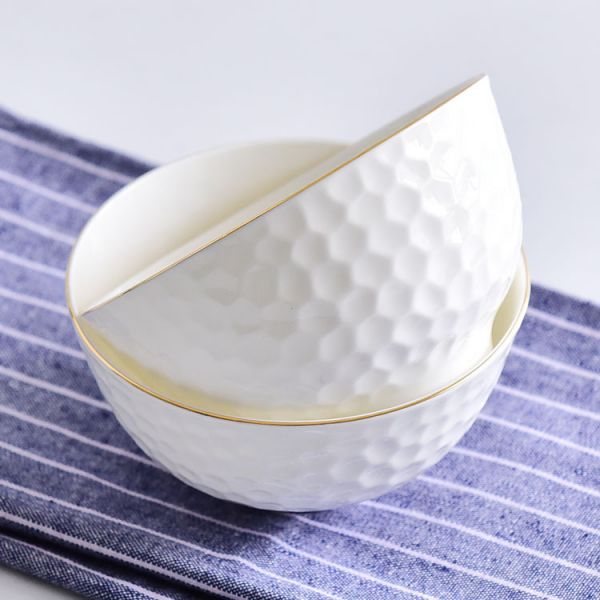
Selecting a safe and reliable porcelain bowl is essential for everyday dining, whether you are purchasing for home use, restaurants, retail, or wholesale distribution. High-quality porcelain not only enhances your dining experience but also protects the health of you and your customers. This comprehensive guide outlines the key factors to consider—material composition, craftsmanship, safety standards, and quality inspection—so you can confidently choose a healthy porcelain bowl that meets modern safety requirements.
1. Choose High-Quality, Safe Raw Materials
The foundation of a healthy porcelain bowl lies in its raw materials. Look for products made from:
- Kaolin
- Feldspar
- Porcelain stone
These natural materials do not contain heavy metals, asbestos, or other hazardous substances, making them safe for food contact. Bowls made from refined porcelain clay offer:
- Stronger structure
- Low water absorption
- Better thermal stability
- Higher firing standards
Avoid products made with recycled, low-grade, or uncertified clay mixtures, as they may contain impurities and unsafe additives.
2. Inspect the Appearance of the Bowl
Craftsmanship is a key indicator of porcelain quality. A healthy, durable porcelain bowl should have:
- A smooth, fine, and glossy surface
- Even color tone without visible streaks or blotches
- No bumps, rough textures, or glaze defects
- Consistent shape without warping
If you notice uneven color, grainy texture, or glaze pinholes, these could indicate low-quality firing or contamination during production.
3. Check the Glaze Coating
A high-quality porcelain bowl typically features a layer of evenly applied inorganic glaze. This glaze layer:
- Increases smoothness
- Enhances durability
- Reduces wear and scratch risks
- Prevents food from penetrating the ceramic body
- Improves stain resistance and hygiene
A uniform glaze also reduces heavy-metal migration, as it acts as a protective barrier between food and the porcelain body. Avoid bowls with unglazed spots, rough rims, or glaze pooling, as these may be safety risks.
4. Prioritize Reputable Brands and Verified Certifications
Trusted brands implement strict manufacturing processes and safety controls. When selecting a porcelain bowl, always check for:
- Food-contact safety certifications
- Heavy-metal testing reports
- Environmental certifications
- Compliance with regional standards (FDA, LFGB, EU regulations, etc.)
These certifications indicate that the product has passed rigorous testing for toxicity, hygiene, and durability.
Buying from reliable manufacturers reduces the risk of exposure to unsafe coloring pigments or low-quality glazes.
5. Smell for Odors Before Purchasing
Authentic porcelain made from natural materials should have no chemical or irritating smell. If a bowl emits an unusual or chemical-like odor, it may contain harmful additives or low-grade glazes.
A simple smell test helps identify products with unsafe coatings or materials.
6. Choose Porcelain Fired at High Temperatures
High-temperature firing is a key factor in ensuring porcelain safety and durability. Bowls fired at temperatures above 1200°C typically offer:
- Stronger structure
- Higher density
- Better resistance to cracking
- Lower risk of harmful substance residue
High-temperature firing also eliminates many unstable components in clay, making the final product safer for daily use.
Conclusion
Choosing a healthy porcelain bowl requires attention to material purity, glaze safety, craftsmanship, brand reliability, and certification compliance. By focusing on these essential factors, you can ensure that the porcelain bowls you buy are:
- Safe
- Durable
- Hygienic
- Free from harmful substances
- Suitable for high-temperature food use
Whether you are a consumer, retailer, or importer, following these guidelines will help you select premium porcelain tableware that enhances your dining experience while safeguarding health.


