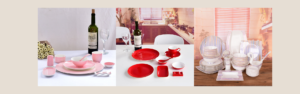
Essential Care Tips for Porcelain Dinnerware: What You Must Know

Fine porcelain dinnerware is more than just tableware—it is an investment in elegance, a statement of taste, and a companion to countless memorable meals. Whether you own a cherished heirloom set or have recently acquired new pieces, proper care is essential to preserve their beauty and longevity. At Classic Bone China, we believe that understanding how to care for your dinnerware is the key to enjoying it for generations.
Here are the essential tips every porcelain owner must know.
1. Preparing New Dinnerware: A Simple Safety Step
When you bring home new porcelain dinnerware, especially if the manufacturer is unknown, a simple precaution can put your mind at ease. Boil the pieces in water mixed with a small amount of white vinegar for several minutes. This gentle treatment helps neutralize any residual substances from the production process, significantly reducing potential health risks. It is a quick, effective way to ensure your new tableware is ready for safe, everyday use.
2. Strengthening Porcelain with Salt Water
A lesser-known trick among porcelain enthusiasts: boiling new dinnerware in salted water for a short period can help strengthen the ceramic body. The salt interacts with the glaze and clay, enhancing the piece’s resilience against chipping and cracking. This time-honored practice not only extends the life of your dinnerware but also saves you money in the long run by reducing the need for replacements.
3. Avoiding Thermal Shock: The Golden Rule
Porcelain is durable, but it is not invincible. One of the most common causes of damage is thermal shock—sudden, extreme changes in temperature. Never transfer a hot porcelain bowl directly into cold water, and avoid placing a cold dish straight into a hot oven. Always allow your dinnerware to adjust gradually to temperature changes. This simple habit will prevent hairline cracks and keep your pieces intact for years.
4. Gentle Cleaning: The Right Tools Matter
To preserve the pristine surface and intricate patterns of your porcelain, always use a mild, neutral pH detergent designed for kitchen use. Pair it with a soft cloth or sponge. Avoid abrasive scrubbers, steel wool, or harsh cleaning powders, as these can scratch the glaze and dull the decoration over time. Treat your porcelain with the same gentleness you would a fine piece of art—because it is.
5. Proper Storage: Stacking with Care
Porcelain is inherently fragile. When stacking plates or bowls, place a soft liner or paper towel between each piece to prevent surface friction and scratching. Handle each item with care—lift, do not drag. Avoid bumping against hard surfaces. If a piece does break, dispose of it carefully to avoid injury from sharp shards. Remember: prevention is always better than repair.
6. Handwashing vs. Dishwasher: Making the Right Choice
For maximum protection, handwashing is strongly recommended. The high-pressure jets and harsh detergents of dishwashers can gradually wear down patterns and glazes. However, if you must use a dishwasher, select one with a dedicated porcelain and crystal cycle to minimize risk. Most porcelain dinnerware is microwave and sterilizer safe, but never expose it to direct flame or oven heat. Special note: pieces with gold or metallic trims should never go in the microwave, as the metal can cause sparking and corrosion.
7. Acidic Foods and Beverages: A Cautionary Note
Vibrantly decorated porcelain is stunning, but it requires extra attention. Avoid prolonged contact with acidic substances such as vinegar, citrus juices, wine, and coffee. The longer acidic liquids remain in contact with the glaze, and the higher the temperature, the greater the risk of lead or other heavy metals leaching from certain pigments. To be safe, do not store acidic foods or beverages in decorative porcelain for extended periods. Serve, enjoy, and clean promptly.
8. Protecting Against Sunlight and Moisture
Strong ultraviolet rays can cause discoloration and even glaze peeling over time. Store your porcelain away from direct sunlight and intense artificial light sources. After each use, clean and dry your dinnerware thoroughly before storing. Never leave pieces soaking in dirty water for long periods, as this can promote mold growth and permanent staining. A clean, dry environment is the best friend of fine porcelain.
A Final Word from Classic Bone China
At Classic Bone China, we pour our passion into every piece we create. But we also know that true beauty is preserved through knowledge and care. By following these simple guidelines, you ensure that your porcelain dinnerware remains a source of pride, joy, and elegance for years to come.
Have questions about caring for your specific pieces? We are always here for your inquiries. From here, embark on an extraordinary journey to explore the exquisite beauty of bone china—and keep it shining, every single day.
Provide your ideas, and we will make them happen.