


Efficient Sourcing: 7 Key Considerations You Must Take Into Account When Choosing a Porcelain Dinnerware Wholesaler
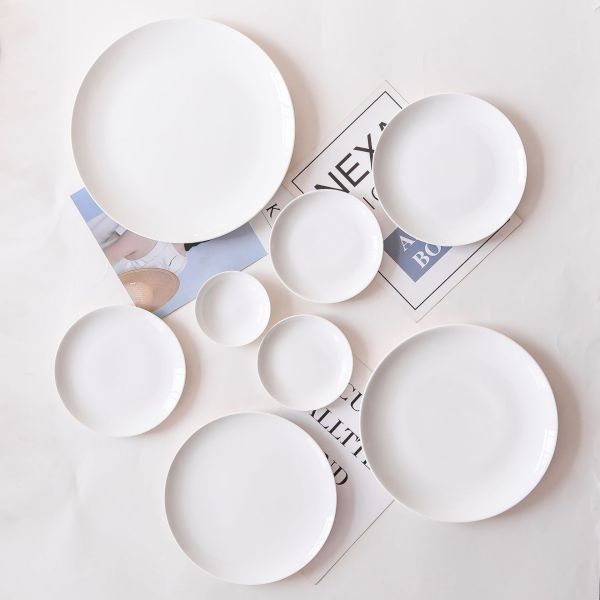
For international buyers, securing a reliable porcelain dinnerware wholesaler is crucial for maintaining product quality, competitive pricing, and supply chain efficiency. A strategic partnership with the right manufacturer can be a significant competitive advantage.
Based on industry best practices, here are the 7 key considerations you must thoroughly evaluate to ensure efficient sourcing and a smooth, long-term collaboration.
The 7 Essential Sourcing Considerations
1. Credentials, Reputation, and Compliance
The foundation of a reliable partnership is the supplier’s verified track record and legal standing.
- Certification Check: Verify the manufacturer holds relevant quality certifications (e.g., ISO 9001). Crucially, ensure the porcelain complies with destination market food safety standards (e.g., FDA, EU/LFGB).
- Industry Reputation: Check their track record, industry standing, and customer reviews (especially from other international buyers). A strong reputation indicates reliable production and service capabilities.
2. Product Quality Assurance and Testing
Quality is non-negotiable, particularly for dinnerware that comes into contact with food.
- QC System: Understand the factory’s quality control (QC) system, production process, and raw material sourcing.
- Sample Inspection: Always request pre-production samples. Conduct physical inspections and tests to ensure the porcelain meets your quality standards regarding glaze, thickness, durability, and finishing.
3. Pricing Structure and Production Capacity
Balancing cost-effectiveness with the ability to meet demand is vital for scaling business operations.
- Cost Transparency: Compare pricing across different suppliers, ensuring there are no hidden fees (e.g., mold fees, specific packaging costs). Caution against overly low pricing, which often compromises quality.
- Scalability: Evaluate the factory’s production capacity (size of production line, skill level of workers). This directly impacts their ability to meet your large-volume orders and adhere to seasonal deadlines.
4. Customization and Design Capability
If you require proprietary designs, the manufacturer must have proven R&D and customization skills.
- Technical Proficiency: Confirm the wholesaler possesses the necessary technical capabilities for your specific requests (e.g., custom colors, bespoke shapes, complex logo application).
- Clear Communication: Share your needs fully to ensure they can accurately translate your design brief into a manufacturable product.
5. Logistics, Packaging, and Damage Reduction
The journey from the factory floor to your warehouse must be secured and efficient.
- Packaging Strategy: Understand their packaging methods. Appropriate, export-ready packaging (e.g., specialized cushioning, reinforced cartons) is essential to minimize product damage during long-distance shipping.
- Logistics Partners: Inquire about their usual freight forwarders and logistics partners. Reliable logistics ensure prompt, safe delivery.
6. After-Sales Support and Contractual Clarity
A detailed contract mitigates future risks and provides recourse for quality issues.
- Service Policy: Understand the warranty and after-sales service policy. Timely support is critical for resolving quality defects or shipment issues quickly and efficiently.
- Contract Review: Carefully review all contract terms before signing. Ensure the contract explicitly details product specifications, pricing, delivery lead times, payment terms, and clear quality acceptance standards.
7. Communication Efficiency and Environmental Standards
Smooth communication and ethical practices are the basis for a sustainable, long-term relationship.
- Communication Channels: Establish clear and reliable communication channels. Effective, timely communication is the backbone of a stable and collaborative partnership.
- Environmental Compliance: Verify that the manufacturer adheres to relevant environmental regulations and employs green production concepts. This is increasingly important for brand image and compliance in many global markets.
By comprehensively evaluating these 7 key considerations, you can move beyond simple price comparison and establish a strategic, reliable, and high-quality partnership for sourcing your porcelain dinnerware.


