


Creating a Zen Table: Selection and Pairing Tips for the 3 Major Styles of Japanese Porcelain Dinnerware
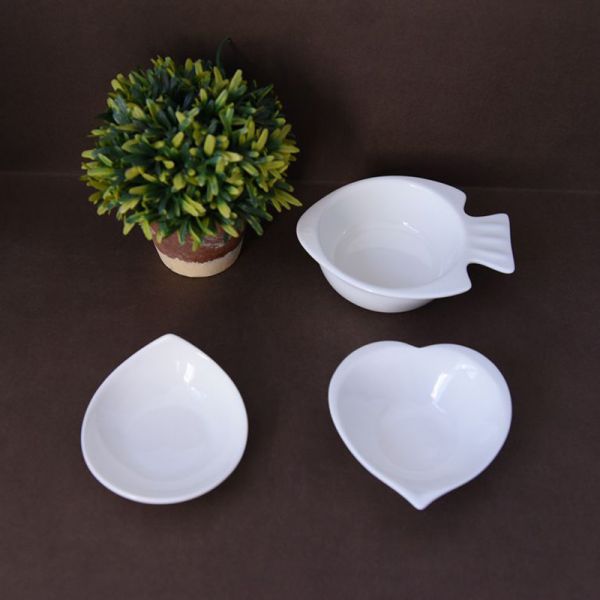
Japanese dinnerware is globally celebrated for its unique aesthetic philosophy: Wabi-Sabi—finding beauty in imperfection—and Shibui—a subtle, unobtrusive beauty. Selecting the right Japanese porcelain can transform an ordinary meal into a mindful, tranquil experience.
For those looking to bring this serenity to their dining table, we have distilled the core design elements into 3 Major Styles and provided essential selection and pairing tips for Japanese porcelain dinnerware.
The 3 Major Styles of Japanese Porcelain Dinnerware
While Japanese ceramics are incredibly diverse, their aesthetics generally fall into these three categories when selecting dinnerware for a Zen ambiance:
1. Minimalist and Neutral (The Purity of Yugen)
This style emphasizes simplicity and the absence of clutter, allowing the food and the material quality to speak for themselves.
- Design Focus: Clean, unadorned designs with simple forms. Often featuring solid colors or very subtle texture variations.
- Color Palette: Dominated by subdued, pale, and earthy colors such as pale green, soft blue, creamy white (rice white), and various shades of grey. These colors create a calm, fresh, and serene dining atmosphere.
- Pairing Tip: Use these pieces as the foundation of your table. Pair a solid white plate with a deeply textured charcoal bowl to introduce depth without complexity.
2. Nature-Inspired Motifs (The Beauty of Mono No Aware)
This style brings the tranquility of the natural world directly to the table, often symbolizing the fleeting beauty of nature.
- Design Focus: Patterns deeply inspired by nature, such as cherry blossoms (sakura), bamboo, stylized fish (like koi), or flowing water. The patterns are usually delicate and not overwhelming.
- Aesthetic Goal: To highlight the traditional Japanese sense of simple, rustic beauty and connection to the environment.
- Pairing Tip: Use one piece with a prominent motif (e.g., a patterned serving platter) and pair it with solid-colored bowls (Style 1) to prevent the table from looking too busy.
3. Irregular and Handcrafted (The Essence of Wabi-Sabi)
This style celebrates the beauty found in natural, asymmetrical, and imperfect forms, emphasizing the uniqueness of human craftsmanship.
- Design Focus: Porcelain pieces featuring organic, slightly asymmetrical, or “hand-thrown” shapes. The edges might be slightly uneven, or the glaze might pool unpredictably.
- Aesthetic Goal: To convey a sense of closeness to nature, rejecting rigid rules, and emphasizing the unique touch of the artisan.
- Pairing Tip: Mix one or two irregular pieces with your regular-shaped dinnerware. This contrast highlights the handcrafted nature of the unique items without sacrificing practical table setup.
Essential Selection and Pairing Tips
To successfully create your Zen-inspired table setting, consider these key steps:
1. Prioritize Quality and Safety
Ensure you select high-quality, durable porcelain materials. For imported products, durability and safety checks (lead-free, cadmium-free) are crucial for ensuring the dinnerware’s longevity and health safety.
2. Embrace Eclectic Pairing
A true Zen table often mixes and matches rather than demanding perfectly uniform sets.
- Mix Materials: Pair your fine porcelain bowls with natural wooden chopsticks or simple linen placemats.
- Mix Colors/Textures: Combine a smooth, pale blue plate with a rough, brown speckled Wabi-Sabi style dipping dish.
3. Consider Full Set Integration
If you are purchasing a complete collection, look for sets that include not just bowls and plates, but also matching chopstick rests, small sauce dishes, and tea accessories. A cohesive set enhances the traditional Japanese aesthetic.
4. Sample and Assess
If sourcing in bulk or choosing a high-value set, always conduct a physical inspection or request samples. Experiencing the texture, weight, and true color firsthand is essential to confirm the quality matches the desired serene aesthetic.
By thoughtfully selecting Japanese porcelain dinnerware that aligns with these three core styles and utilizing smart pairing techniques, you can successfully infuse your dining environment with a sense of calm, elegance, and tranquil beauty.


