


White Porcelain vs Bone China: A Detailed Comparison and Buyer’s Guide
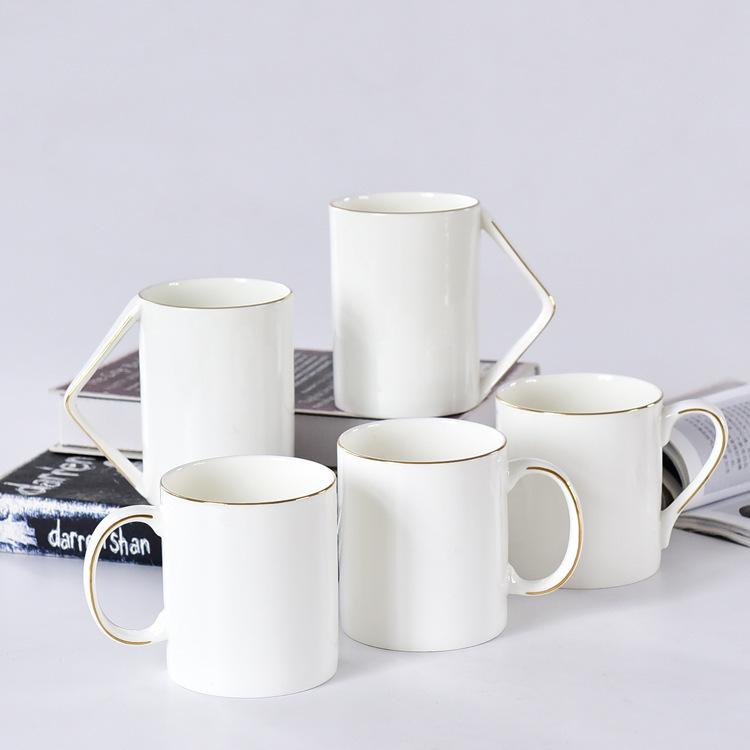
When choosing fine tableware or decorative ceramics, two popular options often come to mind — white porcelain and bone china. While both are elegant and refined, they differ significantly in materials, craftsmanship, texture, and overall appearance. Understanding these distinctions can help you make the right choice for your needs, whether it’s for dining, gifting, or collection.
1. Material Composition
White Porcelain:
White porcelain is made primarily from kaolin clay, feldspar, and quartz, without any bone ash. It features a dense and hard body with a slightly thicker structure, offering durability and stability.
Bone China:
Bone china, on the other hand, is produced using a mixture of bone ash, kaolin, and quartz. The addition of bone ash (typically 30–50%) gives bone china its lighter weight, higher translucency, and smoother texture. This unique blend makes bone china both delicate and luxurious.
2. Appearance and Texture
White Porcelain:
White porcelain is known for its bright white color and smooth, glossy surface. It usually appears more solid and less translucent than bone china. The designs are often simple and elegant, suitable for both traditional and modern settings.
Bone China:
Bone china tends to have a creamy ivory tone rather than pure white. Its thin body and high translucency allow light to pass through softly, creating a warm and sophisticated glow. This quality makes bone china a favorite for upscale dining and luxury collections.
3. Weight and Feel
White Porcelain:
Because of its thicker body, white porcelain items are typically heavier and sturdier. They provide a sense of solidity and are ideal for everyday use or environments where durability matters.
Bone China:
Bone china pieces are noticeably lighter due to their thin walls and fine structure. Despite their delicate look, high-quality bone china remains surprisingly strong and chip-resistant when handled with care.
4. Sound Characteristics
White Porcelain:
When two pieces of white porcelain are gently tapped together, they produce a dull, muted “ding” with little resonance. This is a sign of its dense, less resonant body.
Bone China:
Bone china emits a clear, ringing “chime” when tapped, often accompanied by a soft echo. This distinctive sound is one of the easiest ways to identify genuine bone china — a hallmark of its thin and finely vitrified body.
5. Craftsmanship and Production Process
White Porcelain:
White porcelain follows a traditional ceramic-making process, including shaping, drying, glazing, and high-temperature firing. Its production is simpler and more cost-effective, making it suitable for mass production.
Bone China:
Bone china requires more advanced manufacturing techniques. The precise ratio of bone ash and the controlled firing temperature (around 1150°C) must be carefully managed to achieve its signature translucency and smooth texture. This process demands greater expertise and quality control, which also explains its higher price point.
6. How to Tell the Difference
To distinguish white porcelain from bone china, you can use the following simple methods:
- Check the Weight: Bone china is lighter than porcelain of the same size.
- Observe the Color: White porcelain appears bright white, while bone china has a warm ivory hue.
- Hold It Against the Light: Bone china is slightly translucent, whereas white porcelain blocks most light.
- Tap and Listen: A clear, ringing tone usually indicates bone china.
Conclusion
Both white porcelain and bone china have their unique beauty and advantages. White porcelain is classic, durable, and affordable — perfect for daily use. Bone china, with its fine translucency and luxurious texture, is ideal for elegant occasions or as a high-end gift. By understanding their material differences, appearance, and craftsmanship, you can choose the perfect ceramic that matches your style and purpose.


