


Ensuring Health: The 4 Most Effective Common Porcelain Dinnerware Disinfection Methods (with Detailed Steps)
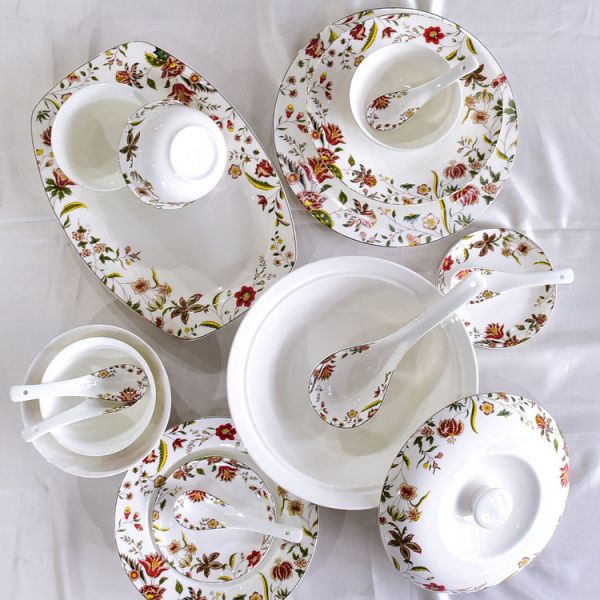
Maintaining rigorous hygiene standards for your dinnerware is essential for public health, especially in commercial or high-use environments. While porcelain is naturally less porous and easier to clean than other materials, proper disinfection is crucial for eliminating lingering bacteria and viruses.
This professional guide outlines the four most effective and common methods for sanitizing your porcelain dinnerware, ensuring the highest level of safety.
Method 1: Boiling Water Sterilization (Heat Disinfection)
Boiling water is a simple, cost-effective, and highly effective method that uses high heat to rapidly kill most microorganisms.
| Step | Action | Detail |
| 1. Clean First | Thoroughly wash the porcelain in soapy water. | Remove all food particles and visible grease before disinfection. |
| 2. Submerge | Place the porcelain dinnerware into a large pot. | Ensure the items are fully covered and submerged in water. |
| 3. Boil | Bring the water to a rolling boil. | The use of actively boiling water is the most effective approach. |
| 4. Soak | Maintain the boil for several minutes (typically 5-10 minutes). | This sustained heat exposure ensures comprehensive pathogen destruction. |
| 5. Cool & Dry | Carefully remove the items and let them air dry completely. | Use tongs to avoid burns and place them on a clean rack. |
Note: Always place porcelain into water before boiling to prevent thermal shock, which could cause cracking.
Method 2: Steam Disinfection (Advanced Heat Treatment)
Steam is an excellent method as it reaches high temperatures (above boiling point) and penetrates all surfaces without direct chemical contact.
- Appliance: Use a dedicated steam sterilizer (commonly used for baby bottles) or a standard food steamer/pressure cooker.
- Procedure:
- Load the clean porcelain into the steam chamber or basket.
- Ensure the steam will cover the surface of all items.
- Run the steaming cycle for the duration recommended by the appliance manufacturer (usually 15-20 minutes).
- The high temperature of the steam effectively kills most microbes.
Method 3: Oven Sterilization (Dry Heat Method)
For large batches or items that can safely withstand sustained dry heat, the oven is an accessible option.
- Pre-Cleaning: Ensure the porcelain is clean and completely dry. Never put wet porcelain into a hot oven.
- Procedure:
- Place the dinnerware in a cool oven on a baking sheet or rack.
- Set the temperature to a moderate level (e.g., 250°F or 120°C) for the disinfection cycle.
- Bake for an appropriate duration (e.g., 30-60 minutes). The prolonged high temperature kills bacteria and viruses.
- Caution: Consult your porcelain manufacturer’s guidelines to ensure the items are oven-safe and can tolerate the chosen temperature without damage to glazes or decorative elements.
Method 4: Chemical Disinfection (Diluted Bleach or Food-Grade Sanitizer)
Chemical methods are useful for quick sanitizing or when heat methods are impractical, though careful rinsing is non-negotiable.
Option A: Diluted Bleach Solution
- Mixture: Create a diluted bleach solution (e.g., 1 part household bleach to 50-100 parts water, depending on concentration).
- Application: Submerge the clean porcelain in the solution for the recommended contact time (usually 1-2 minutes), or use a cloth/brush dipped in the solution to thoroughly wipe the surface.
- Rinsing: CRITICAL STEP: Rinse the porcelain thoroughly under running water to remove all traces of the bleach solution, ensuring no chemical residue remains.
Option B: Commercial Food-Grade Disinfectant
- Selection: Use commercially available, food-safe disinfectants approved for dinnerware.
- Instructions: Follow the product instructions precisely for mixing, application time, and necessary rinsing steps.
Integrated Disinfection: Dishwasher Sterilization
For most modern, sturdy porcelain, the dishwasher offers an integrated solution.
- Process: Use a dishwasher cycle with a high-temperature setting (often called “Sanitize” or “High-Temp Wash”) and an appropriate dishwashing agent. The combination of detergent and high heat ensures both cleanliness and microbial reduction.
Final Disinfection Safety Advice
Before implementing any disinfection method, always:
- Check Manufacturer Instructions: Review the porcelain dinnerware‘s guidelines. Some delicate items, gold/platinum trim, or certain decals may be sensitive to high heat or harsh chemicals.
- Porcelain Sensitivity: Be aware that certain types of porous or hand-painted ceramics may be more sensitive to prolonged soaking or chemical exposure than high-quality glazed porcelain.


